
High-Performance Foam Rubber Tubing: Superior Sealing and Insulation Solutions
In demanding industrial and commercial environments, reliable sealing, cushioning, and insulation are paramount. Our premium closed-cell foam rubber tubing is engineered to meet these critical needs. This versatile and durable product provides an exceptional barrier against moisture, dust, air, and noise, making it an indispensable component across countless applications. Designed for longevity and performance, our foam rubber tubing offers a cost-effective solution for enhancing product integrity and operational efficiency.
1. Product Overview
Our foam rubber tubing is a flexible, cylindrical sealing material manufactured from high-quality, closed-cell EPDM or neoprene rubber compounds. The closed-cell structure ensures that each individual cell is completely sealed, preventing the passage of liquids and gases. This tubing is supplied in continuous lengths or custom-cut pieces, featuring a precise slit along its length for easy installation over edges, panels, and frames. Ideal for both static and dynamic applications, it compresses to fill gaps effectively, creating a permanent, resilient seal that withstands environmental stressors, temperature fluctuations, and mechanical compression.
2. Key Features
- Excellent Sealing Performance: The closed-cell structure provides an impermeable barrier against water, air, dust, and drafts, ensuring protected environments.
- Superior Compression Set Resistance: Maintains its original shape and sealing force after prolonged compression, ensuring long-term reliability.
- Wide Temperature Range: Performs consistently in extreme conditions, typically from -40°C to +100°C (-40°F to +212°F), depending on compound.
- Weather & UV Resistance: EPDM-based formulations offer outstanding resistance to ozone, sunlight, and weathering, ideal for outdoor use.
- Easy Installation: Pre-slit design allows for quick, tool-free application onto various substrates, reducing assembly time and labor costs.
- Vibration Damping & Cushioning: Absorbs shock and dampens noise and vibration, protecting sensitive components.
3. Technical Specifications
| Parameter | Specification / Value | Notes |
|---|---|---|
| Material | EPDM, Neoprene (CR), Nitrile (NBR) | Selected based on application needs (weathering, oil resistance, etc.) |
| Cell Structure | Closed-Cell | Prevents moisture and air penetration |
| Standard Colors | Black, White, Gray | Custom colors available upon request |
| Available Wall Thickness | 3mm, 5mm, 6mm, 9mm, 12mm | Other thicknesses can be customized |
| Available Inner Diameter (I.D.) | From 3mm to 50mm | Wide range to fit various pin, tube, and edge sizes |
| Density Range | 30 kg/m³ to 80 kg/m³ | Lower density for soft sealing, higher for structural support |
| Temperature Range (EPDM) | -40°C to +120°C | Short-term peaks possible |
| Flammability | Standard, Flame-Retardant (UL94 HF-1) | Compliant versions for specific safety standards |
| Packaging | Coils, Cut Lengths, Poly-bagged | Protected for clean, damage-free shipping |
4. Application Scenarios
This versatile foam rubber tubing is specified by engineers and designers in numerous industries for its reliable performance.
- HVAC & Construction: Sealing around ductwork, air handlers, doors, windows, and curtain walls to improve energy efficiency and prevent air/water infiltration.
- Automotive & Transportation: Sealing and cushioning in vehicle doors, trunks, hatches, and access panels. Used in RV, marine, and aerospace interiors for vibration damping.
- Electronics & Enclosures: Gasketing for electrical cabinets, control boxes, and consumer electronics to provide EMI/RFI shielding, dust, and drip protection.
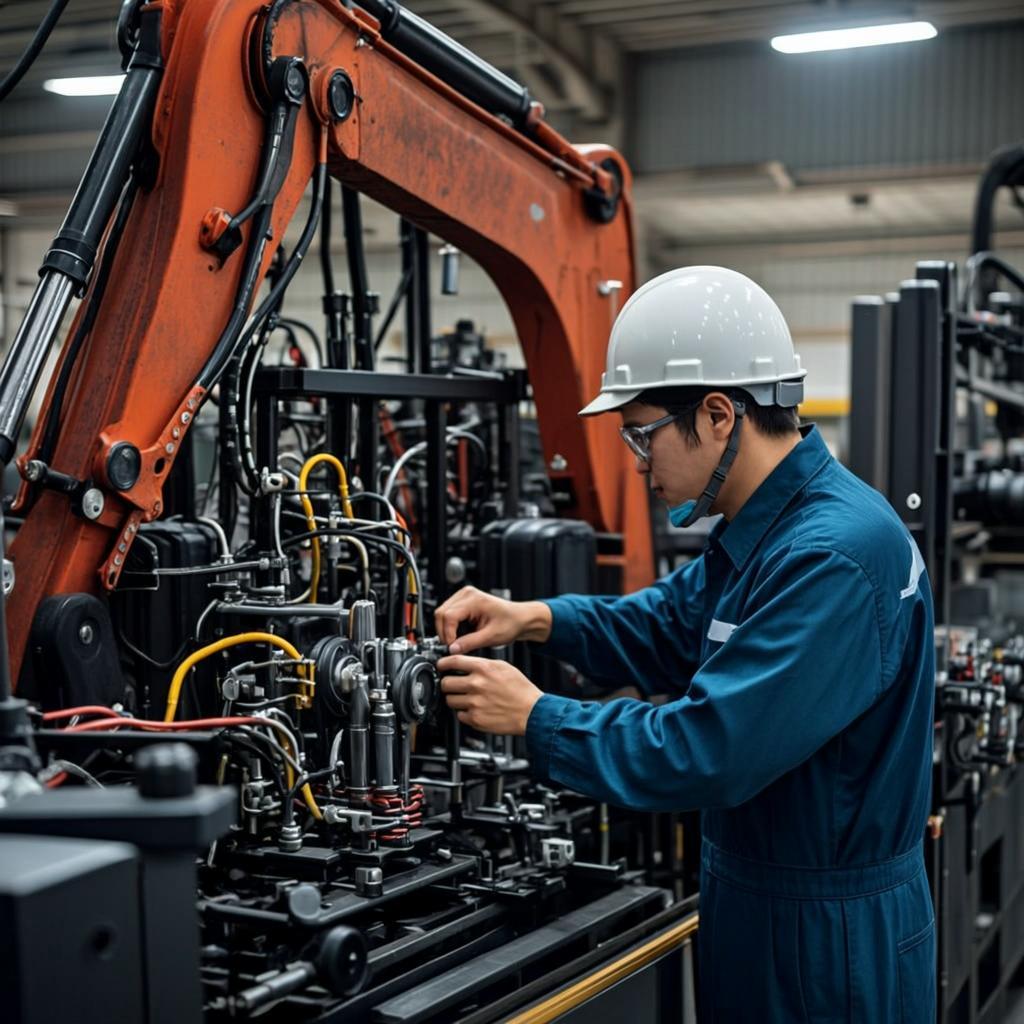
- Industrial Machinery: Sealing panels, guards, and access points on machinery to contain noise, lubricants, and particulates.
- Furniture & Fixtures: Edge protection on glass panels, shelving, and display cases. Provides a non-slip, cushioned grip on handles and tools.
- Medical & Laboratory Equipment: Sealing for doors and compartments on sensitive equipment, offering cleanroom compatibility in specific grades.
5. Advantages Over Alternatives
Choosing our closed-cell foam rubber tubing provides distinct benefits compared to solid rubber, open-cell foam, or plastic profiles.
- Lightweight & Flexible: Easier to handle and install than solid rubber, conforming to irregular surfaces without excessive force.
- Non-Absorbent: Unlike open-cell foam, it will not wick or retain moisture, preventing mold, mildew, and corrosion.
- Cost-Effective: Provides superior performance at a lower material cost and weight than many solid extrusions, reducing overall project expense.
- Thermal & Acoustic Insulation: The air trapped within the closed cells provides inherent insulating properties for both temperature and sound.
- Chemical Resistance: Material options like neoprene and nitrile offer resistance to oils, greases, and mild chemicals.
6. Why Choose Our Foam Rubber Tubing
As a specialist manufacturer, we are committed to delivering more than just a product. We provide a partnership built on quality, expertise, and reliability.
- Consistent Quality & Certification: Our production follows strict ISO-quality protocols. Materials can be tailored to meet ROHS, REACH, and specific industry standards.
- Technical Expertise & Customization: Our engineering team can assist with material selection and develop custom foam rubber tubing solutions for unique diameters, colors, densities, and material properties.
- Global Supply Chain Reliability: We support B2B clients worldwide with robust logistics, ensuring timely delivery and consistent supply for your production lines.
- Competitive Pricing for Bulk Orders: We offer scalable, cost-effective pricing for OEMs, wholesalers, and large-scale project requirements.
- Dedicated Customer Support: From sample requests to technical data sheets, our responsive team is here to ensure your project's success from specification to installation.
7. Frequently Asked Questions (FAQ)
Q1: What is the main difference between open-cell and closed-cell foam rubber tubing?
A: Open-cell foam has interconnected pores, making it soft and absorbent (like a kitchen sponge). Our closed-cell foam rubber tubing has sealed, independent cells, making it water-resistant, air-impermeable, and more durable for sealing applications.
Q2: How do I select the correct wall thickness and density?
A: The required thickness depends on the gap size to be sealed and the compression needed. Density affects firmness and recovery. Our technical team can recommend the optimal specifications based on your application's compression force, environmental exposure, and desired seal longevity.
Q3: Can this tubing be used outdoors?
A: Yes, our EPDM-based foam rubber tubing is specifically formulated for excellent resistance to UV radiation, ozone, and weathering, making it ideal for long-term outdoor exposure in construction and automotive applications.
Q4: Is it adhesive-backed for installation?
A: Our standard tubing comes with a clean, pre-slit profile for friction-fit installation. However, we can provide versions with a pressure-sensitive adhesive (PSA) tape applied to one side for permanent bonding to clean, dry surfaces upon request.
Q5: Do you offer custom sizes and colors?
A: Absolutely. We specialize in custom manufacturing. We can produce foam rubber tubing in non-standard inner diameters, wall thicknesses, densities, and a wide range of colors to meet your specific design and branding requirements.
Contact us today to request free samples, detailed technical data sheets, or a competitive quote for your project. Let our expertise in foam rubber tubing provide the perfect sealing solution for you.
