
Premium Laboratory Rubber Tubing for Bunsen Burners and Gas Delivery Systems
In the precise world of laboratory science, every component must perform flawlessly. The connection between a gas source and a Bunsen burner, often overlooked, is critical for safety and experimental consistency. Our high-grade laboratory rubber tubing is engineered specifically for this essential role. Designed for durability, safety, and flexibility, it ensures a secure, leak-proof connection for your Bunsen burners, while also serving a wide range of gas and fluid transfer applications across industrial and educational labs.
1. Product Overview
This professional-grade rubber tubing is the vital link in laboratory gas delivery systems. Its primary function of rubber tubing in Bunsen burner setups is to safely and reliably transport natural gas or propane from the outlet valve to the burner inlet, enabling precise flame control. Manufactured from compounded synthetic rubber, this tubing resists oxidation, hardening, and cracking—common failures in standard tubing that can lead to gas leaks and safety hazards. It is the dependable, compliant choice for laboratories requiring consistent performance and adherence to safety standards.
2. Key Features
- Superior Gas Impermeability: Specially formulated wall construction minimizes gas diffusion, ensuring fuel delivery efficiency and maintaining a consistent burner flame.
- High Temperature & Chemical Resistance: Withstands incidental heat exposure from burner bases and resists degradation from common laboratory atmospheres.
- Excellent Flexibility & Kink-Resistance: Remains pliable in cold environments and resists collapsing, allowing for easy manipulation and setup without flow restriction.
- Reinforced Safety Construction: Thick, uniform walls provide enhanced burst pressure ratings and durability against abrasion and accidental pulls.
- Clear Identification & Compliance: Available in standard black or other colors for gas type identification, aiding in lab safety protocols.
3. Technical Specifications
| Parameter | Specification |
|---|---|
| Material | Synthetic Rubber Compound (Nitrile/PVC Blend) |
| Standard Inner Diameter (ID) | 6 mm, 8 mm, 10 mm (Custom sizes available) |
| Standard Outer Diameter (OD) | 12 mm, 14 mm, 16 mm |
| Wall Thickness | 3.0 mm ±0.2 mm |
| Temperature Range | -10°C to +70°C (Short-term up to 100°C) |
| Pressure Rating | Working Pressure: 4 bar; Burst Pressure: >16 bar |
| Compliance | RoHS Compliant, REACH SVHC Free |
| Standard Length | 50m/roll, 100m/roll (Bulk) or 1m, 2m cut pieces | Color | Black (Standard), Red, Yellow, or Custom |
4. Application Scenarios
While the core function of rubber tubing in Bunsen burner assemblies is paramount, this versatile tubing supports numerous laboratory and light industrial processes:
- Educational & Research Laboratories: Safe fuel delivery for Bunsen burners in schools, universities, and R&D facilities.
- Gas Analysis & Chromatography: Transfer of carrier gases and calibration gases where inertness and low permeability are required.
- Aquarium & Aquaculture Systems: Aeration and CO2 delivery lines due to its flexibility and water resistance.
- Pilot Plants & Prototyping: Low-pressure fluid and gas transfer in experimental and small-scale production setups.
- General Utility Connections: Draining, venting, or connecting various low-pressure laboratory equipment.
5. Advantages
Choosing our laboratory tubing translates into tangible benefits for your operation:
- Enhanced Lab Safety: Reduces the risk of gas leaks, the primary safety concern associated with the function of rubber tubing in Bunsen burner systems, protecting personnel and facilities.
- Reduced Maintenance & Downtime: Superior material longevity means fewer replacements, lower long-term costs, and less interruption to critical workflows.
- Optimal Burner Performance: Consistent gas flow ensures stable, adjustable flames, which is crucial for accurate heating, sterilization, and experimental procedures.
- Cost-Effective Supply: Available in bulk rolls for large facilities or pre-cut lengths for convenience, offering scalability and value.
- Supplier Reliability: Consistent quality across all batches ensures you receive a product that performs exactly as expected, every time.
6. Why Choose Us
As a specialist manufacturer for the laboratory and industrial sectors, we provide more than just tubing:
- Deep Industry Expertise: We understand the critical performance demands and safety standards of laboratory environments.
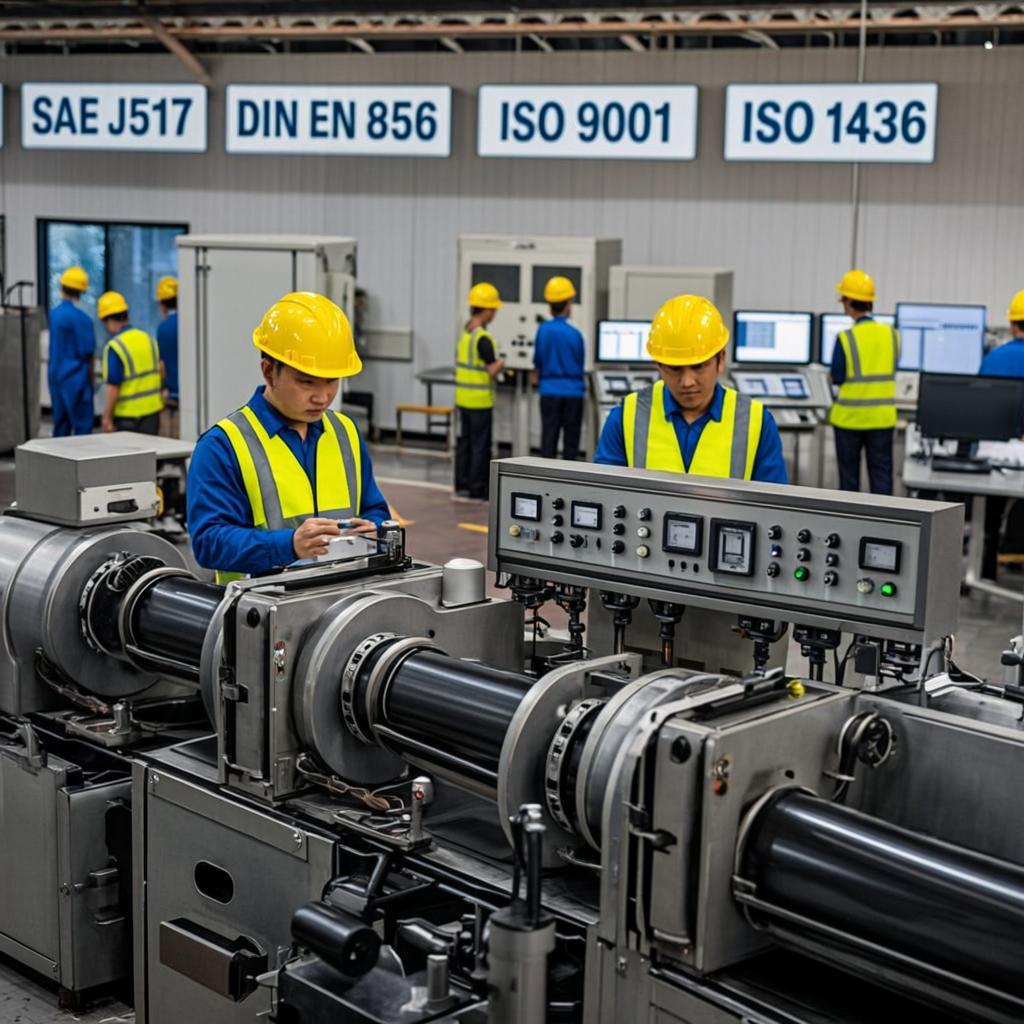
- Quality-Centric Manufacturing: Our products undergo rigorous quality control checks for dimensions, material integrity, and pressure performance.
- Customization Capability: We can tailor tubing diameter, length, color, and packaging to meet your specific OEM or facility requirements.
- Global B2B Logistics: Efficient export packaging and reliable shipping partnerships ensure your order arrives on time and in perfect condition, anywhere in the world.
- Technical Support: Our team provides expert guidance on product selection and application to ensure optimal system performance.
7. FAQ
Q1: What is the primary function of rubber tubing in a Bunsen burner setup?
A: The primary function of rubber tubing in a Bunsen burner is to act as a safe, flexible, and sealed conduit that transports combustible gas (like natural gas or propane) from the laboratory bench outlet to the burner's gas intake nipple. It must maintain a leak-proof connection to ensure user safety and allow for precise control of the gas flow and, consequently, the burner flame.
Q2: How often should laboratory rubber tubing be replaced?
A: We recommend a proactive replacement schedule. Inspect tubing regularly for signs of cracking, stiffness, swelling, or abrasion. Even without visible damage, tubing should typically be replaced every 1-2 years under normal use, or more frequently in high-use or harsh chemical environments, to preemptively avoid failure.
Q3: Is this tubing suitable for liquids as well as gases?
A: Yes. While optimized for gas impermeability, our synthetic rubber tubing is also excellent for transferring water, mild aqueous solutions, and other non-aggressive fluids in laboratory and utility applications. Always confirm chemical compatibility for specific fluids.
Q4: Can I order custom colors or printed markings?
A: Absolutely. We offer tubing in various colors for gas type identification (e.g., yellow for natural gas). Custom printing, such as length markings or company logos, is available for bulk OEM orders. Contact our sales team to discuss your needs.
Q5: What are the packaging options for export?
A: We offer export-ready packaging on pallets or in cartons. Bulk rolls are securely wound and wrapped. Cut lengths can be coiled and bagged or boxed. All packaging is designed to prevent damage during international shipping.
