
High-Performance Rubber Tubing Connectors: Secure, Durable, and Versatile Solutions
In industrial fluid and air transfer systems, the integrity of every connection is paramount. Our premium rubber tubing connectors are engineered to provide reliable, leak-proof seals for a wide range of applications. Understanding how to connect rubber tubing efficiently and safely is crucial for system performance and operator safety. This product line offers a comprehensive solution, simplifying the connection process while ensuring maximum durability and chemical resistance for demanding B2B environments.
Product Overview
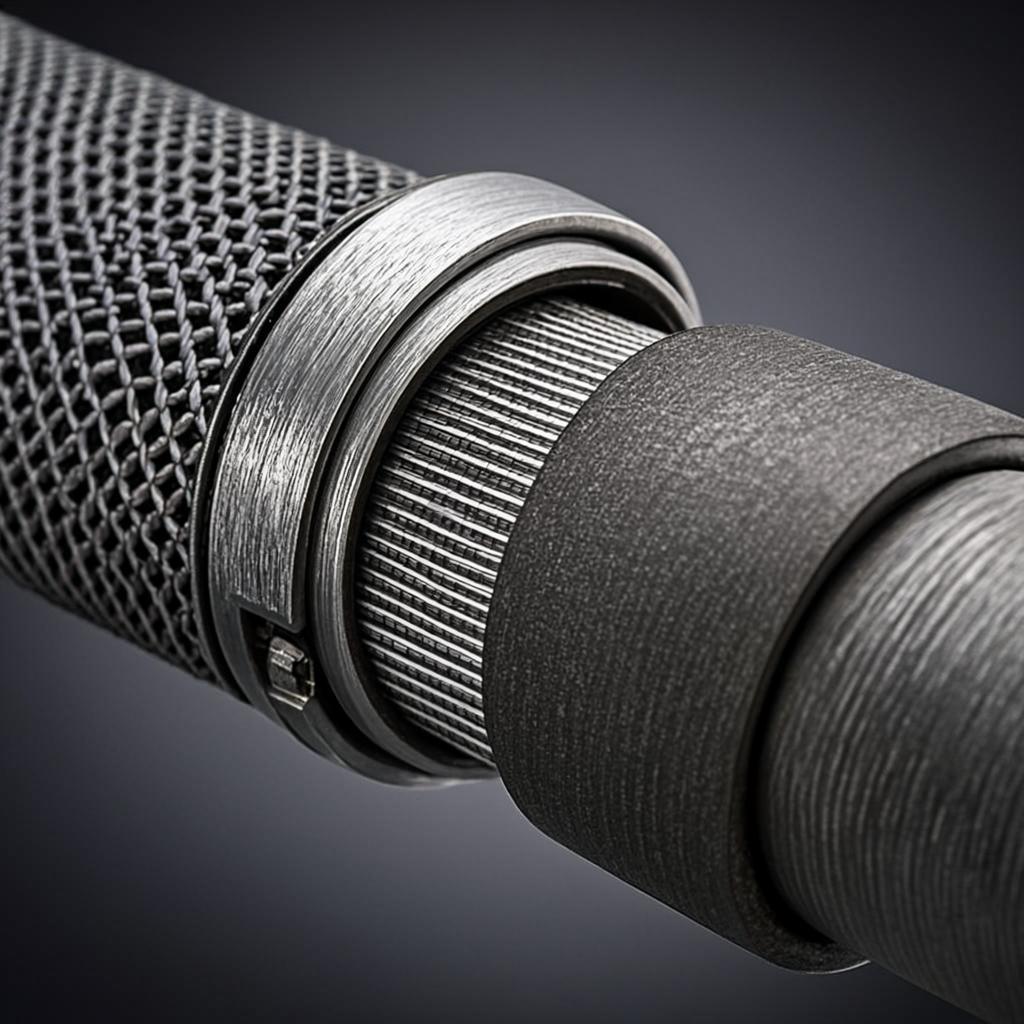
Our industrial rubber tubing connectors are precision-molded components designed to create secure, permanent, or semi-permanent joints between rubber hoses and system fittings. Manufactured from advanced elastomers and thermoplastics, they are built to withstand high pressure, temperature extremes, and aggressive media. Whether you are assembling pneumatic lines, fluid transfer systems, or suction applications, our connectors provide the critical link that ensures operational continuity and safety. This product simplifies the challenge of how to connect rubber tubing with incompatible end fittings or different diameters.
Key Features
- Superior Seal Integrity: Precision-engineered barbs and flanges create a powerful grip on the tubing's inner wall, preventing leaks and pull-outs under vibration and pressure surges.
- Broad Material Compatibility: Available in NBR, EPDM, Silicone, and PVC formulations to ensure chemical resistance and performance compatibility with your specific media (oils, fuels, chemicals, water, air).
- High-Pressure & Vacuum Rated: Robust design validated for both positive pressure and suction applications, maintaining seal integrity across a wide operational range.
- Easy Installation: Designed for tool-free or simple tool-assisted installation, reducing assembly time and labor costs. The process demystifies how to connect rubber tubing quickly on the shop floor.
- Corrosion-Resistant Options: Stainless steel and brass variants available for corrosive environments or where high structural strength is required.
Technical Specifications
| Parameter | Specification | Details / Options |
|---|---|---|
| Material | Primary Elastomers | NBR (Nitrile), EPDM, Silicone, PVC, Polypropylene |
| Connection Type | Barbed, Bead & Crimp, Push-to-Connect, Flanged | Select based on pressure and permanence needs |
| Size Range (Inner Diameter) | 3 mm to 100 mm | Standard and custom sizes available |
| Pressure Rating | Up to 15 Bar (217 PSI) | Varies by material, size, and design |
| Temperature Range | -40°C to +150°C | EPDM and Silicone excel at extremes |
| Standards Compliance | ISO 9001, REACH, RoHS | Manufactured under quality management systems |
Application Scenarios
Our connectors are vital components across diverse sectors. In automotive and manufacturing, they link coolant, lubricant, and pneumatic control lines. The chemical processing industry relies on their chemical resistance for safe solvent and reagent transfer. For food and beveragewater treatment and agriculture, they ensure durable seals for irrigation and pump systems. Furthermore, in laboratory and medical device assembly, they provide precise, reliable connections for fluidic paths. For each scenario, knowing the correct method for how to connect rubber tubing with the right fitting is essential for system reliability.
Advantages
- Enhanced System Uptime: Reliable connections minimize downtime caused by leaks and failures, boosting overall equipment effectiveness (OEE).
- Cost-Effective Maintenance: Durable materials and design extend service life, reducing the frequency and cost of replacements.
- Safety Assurance: Prevents hazardous leaks of fluids or gases, protecting personnel, equipment, and the environment.
- Versatility & Inventory Reduction: A standardized connector range can serve multiple applications, simplifying your procurement and inventory management.
- Simplified Assembly: Clear design intent reduces training time and errors when teaching staff how to connect rubber tubing properly.
Why Choose Us
As a specialist manufacturer in fluid transfer components, we bring deep expertise to every product. Our in-house engineering team can support custom designs for unique applications. We operate a stringent quality control process from raw material sourcing to final inspection, ensuring batch-to-batch consistency. With a global logistics network, we offer reliable supply chain solutions for multinational operations. We provide more than just a product; we offer technical partnership, including guidance on system design and best practices for how to connect rubber tubing in your specific context. Choose us for quality, expertise, and a commitment to your operational success.
FAQ
What is the best method for connecting rubber tubing to a metal pipe?
For a secure, leak-proof connection to a metal pipe, we recommend using a barbed connector made from a compatible material (e.g., brass or stainless steel for corrosion resistance). Lubricate the tubing end with water or a compatible fluid, push it firmly onto the barb, and secure it with a stainless steel hose clamp behind the barb flange. This is a fundamental and reliable technique in how to connect rubber tubing to rigid systems.
How do I select the correct connector material for my chemical application?
Chemical compatibility is critical. Provide our technical team with the specific fluid name, concentration, temperature, and exposure duration. We will cross-reference this with our material resistance charts to recommend the optimal elastomer (e.g., EPDM for acids/alkalis, NBR for oils, Fluorocarbon for aggressive solvents).
Can these connectors be used for both pressure and vacuum applications?
Yes, many of our standard barbed and bead-style connectors are rated for both moderate pressure and vacuum service. The key is ensuring the tubing is properly seated and clamped. For high-vacuum applications, specific designs with deeper barbs or O-ring seals are available.
Is special tooling required for installation?
Most of our push-on barbed connectors are designed for tool-free installation. For larger diameters or high-pressure systems, a simple hose clamp tool may be needed. For permanent crimp-style connections, specialized crimping machinery is required, which we can also specify.
Do you offer custom sizes or configurations?
Absolutely. We specialize in developing custom connectors for OEM applications. This includes non-standard diameters, unique thread forms, special material compounds, and multi-port configurations. Contact our engineering department with your drawings or requirements.
