rubber stopper glass tubing
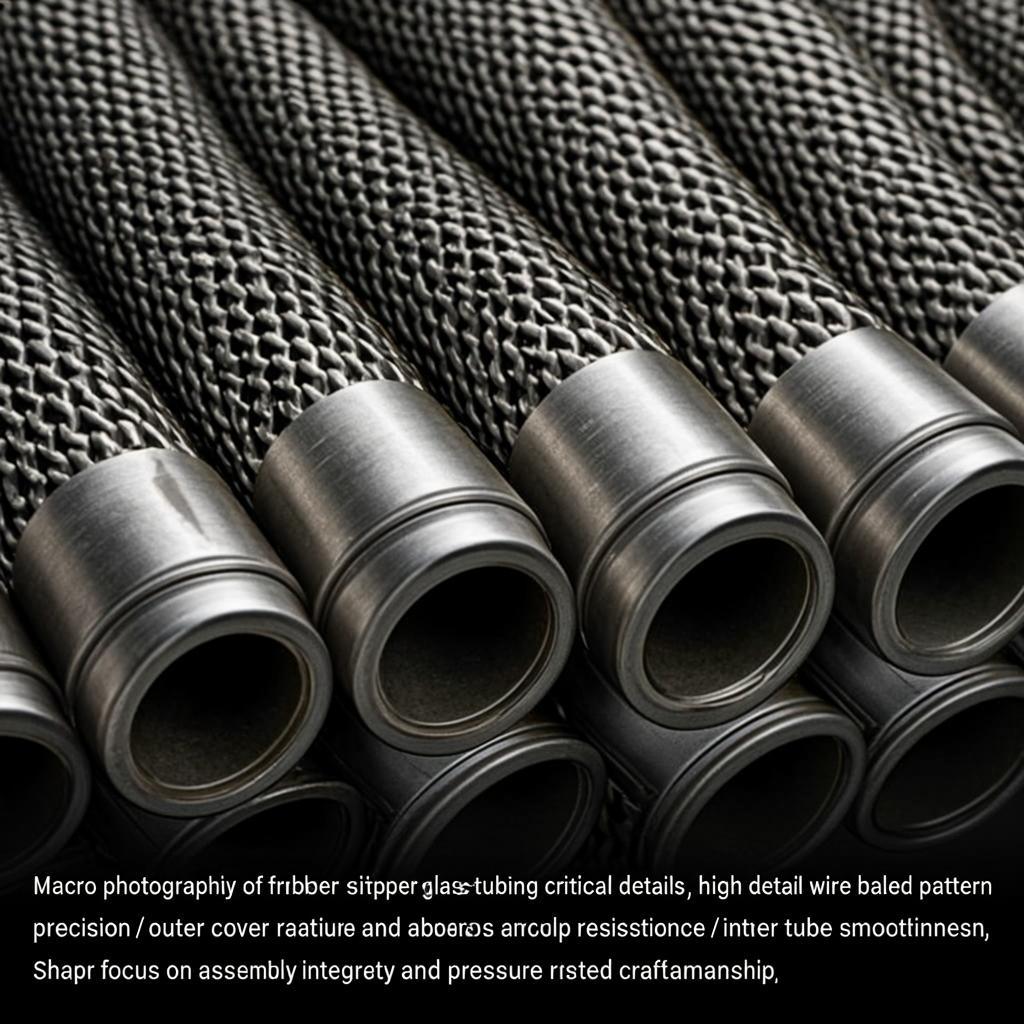

Premium Rubber Stopper Glass Tubing for Precision Laboratory & Industrial Applications
Welcome to our comprehensive product page for high-quality rubber stopper glass tubing, an essential component in countless scientific, pharmaceutical, and industrial processes. Engineered for durability, chemical resistance, and reliable sealing, our tubing is the trusted choice for professionals worldwide who demand precision and safety in their fluid and gas handling systems. This page details the specifications, benefits, and applications of our premium product line.
1. Product Overview
Our rubber stopper glass tubing is a fundamental assembly designed to create secure, leak-proof connections between glassware and other apparatus. It consists of high-grade borosilicate glass tubing paired with precisely molded, compatible rubber stoppers. This combination is critical for setting up distillation, fermentation, filtration, and custom apparatus where a hermetic seal is non-negotiable. We offer a versatile range of diameters, lengths, and stopper sizes to fit standard and custom laboratory glassware, ensuring seamless integration into your existing workflows.
2. Key Features
- Superior Material Compatibility: The borosilicate glass offers excellent thermal shock resistance and chemical inertness, while the rubber stoppers are formulated for resilience against a wide range of chemicals and temperatures.
- Precision Fit & Seal: Each stopper is precision-molded to ensure a tight, secure fit with the corresponding glass tubing diameter, preventing leaks and contamination.
- Durability & Reusability: Constructed from robust materials, our rubber stopper glass tubing assemblies withstand repeated autoclaving and routine use, offering long-term value.
- Safety-First Design: Smooth, fire-polished glass ends prevent injury, and the high-quality rubber resists cracking or perishing, maintaining a safe working environment.
- Versatile Configurations: Available in single-hole, two-hole, or solid stopper options to accommodate various experimental setups and accessory connections.
3. Technical Specifications
| Parameter | Specification / Options |
|---|---|
| Glass Tubing Material | Borosilicate Glass 3.3 (ASTM E438) |
| Outer Diameter (OD) | 6mm, 8mm, 10mm, 12mm, 15mm, 20mm (Custom sizes available) |
| Standard Length | 150mm, 300mm, 450mm, 600mm (Custom lengths available) |
| Rubber Stopper Material | High-Quality Synthetic Rubber (SBR/Silicone options available) |
| Stopper Size (Number) | #00, #0, #1, #2, #3, #4, #5, #6, #7, #8 (Corresponding to joint size) |
| Stopper Hole Configuration | Solid, Single-Hole, Two-Hole |
| Temperature Resistance | Glass: Up to 500°C; Rubber: -30°C to 120°C (varies by compound) |
| Chemical Resistance | Excellent resistance to most acids, solvents, and alkalis (Compatibility chart provided) |
4. Application Scenarios
Our rubber stopper glass tubing is indispensable across a broad spectrum of industries and research fields:
- Academic & Research Laboratories: For setting up condensers, gas delivery lines, vacuum filtration, and custom reaction apparatus in chemistry and biology labs.
- Pharmaceutical Manufacturing: Used in R&D, pilot plants, and small-batch production for processes requiring sterile, sealed connections.
- Food & Beverage Industry: Ideal for small-scale fermentation, quality control testing, and flavor extraction setups.
- Industrial Chemistry: Employed in pilot-scale reactors, distillation units, and environmental testing equipment.
- Educational Institutions: A safe and reliable component for teaching fundamental chemistry and physics principles.
5. Advantages
Choosing our product line provides distinct operational and economic benefits:
- Enhanced Process Integrity: The reliable seal minimizes the risk of leaks, ensuring accurate results and protecting sensitive environments from contamination.
- Cost-Effective Operations: The reusability and durability of our assemblies reduce the frequency of replacements, lowering long-term consumable costs.
- Operational Flexibility: The wide range of standard and customizable sizes allows for the construction of virtually any apparatus, fostering innovation and process adaptation.
- Reduced Downtime: Consistent quality and precise dimensions mean easy assembly and reliable performance, keeping your projects on schedule.
6. Why Choose Us
As a leading supplier in the laboratory consumables sector, we differentiate ourselves through unwavering commitment to quality and service:
- Rigorous Quality Control: Every piece of rubber stopper glass tubing is inspected for dimensional accuracy, glass integrity, and stopper quality before shipment.
- Deep Industry Expertise: Our team understands the critical needs of laboratory and industrial settings, allowing us to provide expert technical support and product recommendations.
- Global Supply Chain Reliability: We maintain robust inventory and logistics partnerships to ensure timely delivery to clients worldwide.
- Custom Manufacturing Capability: We specialize in producing custom-sized glass tubing and molded stoppers to meet unique or proprietary application requirements.
- Competitive B2B Pricing: We offer scalable, volume-based pricing structures designed for distributors, large laboratories, and industrial buyers.
7. FAQ
Q1: What is the chemical resistance of your rubber stoppers?
A1: Our standard synthetic rubber stoppers offer good resistance to many aqueous solutions, alcohols, and weak acids/alkalis. For aggressive solvents or specific applications, we offer specialized compounds like Viton® or PTFE-coated options. Please request our chemical compatibility chart for detailed information.
Q2: Can I order custom lengths or diameters of glass tubing?
A2: Absolutely. We specialize in custom fabrication. You can specify outer diameter, inner diameter, wall thickness, and length. Minimum order quantities apply for custom dimensions.
Q3: Are your products suitable for autoclaving?
A3: Yes, both our borosilicate glass tubing and standard synthetic rubber stoppers are designed to withstand repeated autoclave cycles (typically up to 121°C). For higher temperature sterilization, please inquire about our silicone stopper options.
Q4: How do I determine the correct stopper size for my glassware joint?
A4: Stopper sizes are standardized. The number (e.g., #6) corresponds to the ground glass joint size it fits (e.g., 24/40). Please measure the outer diameter of your flask neck or refer to your glassware's specifications. Our sales team can also assist you in selecting the correct size.
Q5: What are your packaging and shipping terms?
A5: Products are carefully packed in protective cartons to prevent breakage during transit. We ship globally via reliable courier and freight services. Standard Incoterms (FOB, CIF, DAP, etc.) are available based on your location and order volume. Contact us for a detailed quote.
Send your message to us:
