
Premium Conductive Rubber Tubing: Your Essential Component for EMI/RFI Shielding and Static Control
In today's interconnected and high-precision industrial landscape, managing electromagnetic interference (EMI), radio frequency interference (RFI), and electrostatic discharge (ESD) is paramount. For engineers, procurement specialists, and OEM designers sourcing reliable solutions, finding a trusted supplier is critical. This page details our high-performance conductive rubber tubing, a versatile and robust solution designed to meet stringent technical demands. If you are evaluating where to buy conductive rubber tubing that guarantees consistent performance and durability, you have arrived at the right destination.
1. Product Overview
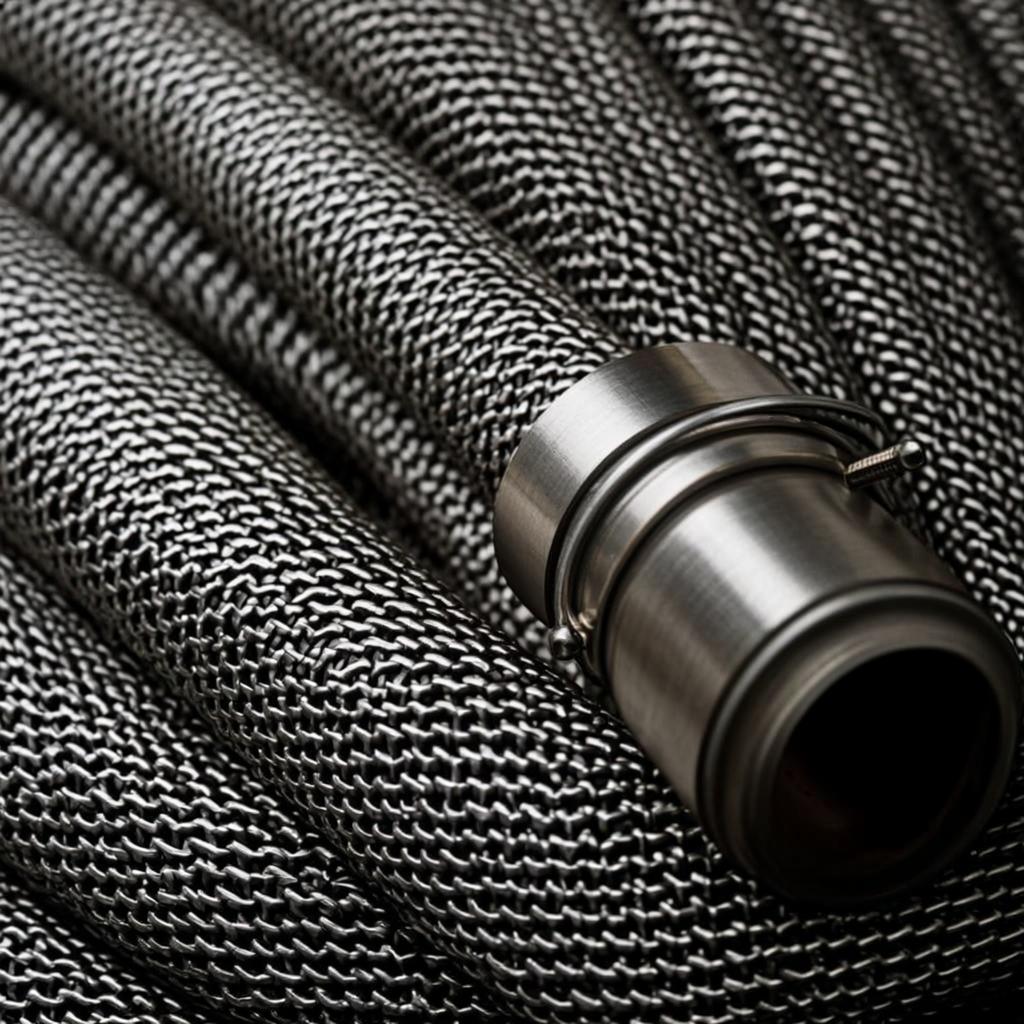
Our conductive rubber tubing is an engineered elastomer product infused with high-quality conductive particles, such as carbon or nickel-coated graphite. This formulation creates a continuous conductive matrix within a flexible, durable rubber base, offering excellent shielding effectiveness and static dissipation. Unlike metal conduits, it provides superior flexibility, compression set resistance, and environmental sealing capabilities. It is the ideal choice for creating gaskets, sleeves, and protective conduits in applications where electrical conductivity must be paired with the adaptable properties of rubber. For businesses determining where to buy conductive rubber tubing in bulk for production lines, our product offers scalable, consistent quality.
2. Key Features
- High Shielding Effectiveness: Provides 60-100 dB of attenuation across a broad frequency range (from 1 MHz to 10 GHz), effectively containing EMI/RFI emissions and protecting sensitive electronics.
- Excellent Volume Resistivity: Low, stable volume resistivity (typically 1-10 ohm-cm) ensures reliable static charge dissipation and grounding paths.
- Superior Flexibility & Durability: Maintains performance across a wide temperature range and resists compression set, ensuring long-term sealing and conductivity even after repeated compression cycles.
- Environmental Resistance: Offers good resistance to ozone, weathering, and many common industrial fluids, ensuring reliability in harsh operating conditions.
- Customizable Fabrication: Available in various standard sizes and can be custom-cut, spliced, or molded to meet specific design requirements and form complex gasket profiles.
3. Technical Specifications
| Parameter | Specification / Value | Test Standard |
|---|---|---|
| Base Material | Silicone or EPDM Rubber (Carbon or Nickel-Coated Graphite Filled) | - |
| Volume Resistivity | 1 - 10 ohm-cm | ASTM D991 |
| Shielding Effectiveness | 60 dB min @ 1 MHz, up to 100 dB @ 1-10 GHz | ASTM D4935 |
| Durometer (Hardness) | 50 - 80 Shore A | ASTM D2240 |
| Operating Temperature Range | -55°C to +200°C (Silicone); -40°C to +150°C (EPDM) | - |
| Compression Set (22 hrs) | < 20% | ASTM D395 |
| Standard Inner Diameter (ID) | 3mm to 50mm | - |
| Wall Thickness | 1.5mm to 5mm | - |
Note: Specifications can be tailored. Contact our technical team for custom requirements.
4. Application Scenarios
This versatile tubing is indispensable across multiple high-tech and industrial sectors:
- Aerospace & Defense: EMI shielding gaskets for avionics compartments, radar housings, and military communication equipment.
- Telecommunications: Protecting sensitive base station electronics, waveguide flanges, and data cabinet shielding.
- Medical Electronics: Shielding for MRI equipment, diagnostic devices, and monitoring systems where interference must be eliminated.
- Industrial Automation & Robotics: Conductive sleeves for cable management, grounding straps, and shielding for control cabinets in electrically noisy environments.
- Consumer Electronics: Used in R&D and high-end audio/video equipment to prevent signal degradation from internal EMI sources.
5. Advantages Over Alternatives
Choosing our conductive rubber tubing provides distinct benefits compared to metal meshes, conductive paints, or lower-grade elastomers:
- Integrated Sealing & Shielding: Combines environmental sealing (against dust, moisture, and splash) with EMI shielding in a single component, simplifying design and assembly.
- No Corrosion: Unlike some metal gaskets, conductive rubber will not corrode, ensuring consistent long-term performance.
- Conformability: Easily conforms to irregular or uneven flange surfaces, creating a more reliable seal and electrical contact than rigid materials.
- Vibration Damping: The rubber base absorbs shock and vibration, providing additional protection to mounted components.
- Cost-Effective Assembly: Reduces the need for multiple components and complex installation processes, lowering total assembly cost.
6. Why Choose Us as Your Supplier
When deciding where to buy conductive rubber tubing, partner with a specialist committed to quality and service.
- Deep Technical Expertise: Our engineering team understands EMI/RFI challenges and can provide material selection guidance and design support.
- Rigorous Quality Control: Every batch is tested for key parameters like resistivity and shielding effectiveness, ensuring you receive product that meets spec, every time.
- Supply Chain Reliability: We maintain strategic raw material inventories and efficient production processes to ensure on-time delivery, even for large or urgent orders.
- Customization Capabilities: We go beyond standard sizes. We can develop custom compounds, dimensions, and fabricated parts to integrate seamlessly into your assembly.
- Global B2B Focus: We are equipped with the documentation, packaging, and logistics expertise to serve international clients efficiently, making us a strategic global partner.
7. Frequently Asked Questions (FAQ)
Q1: What is the primary difference between silicone and EPDM-based conductive tubing?
A: Silicone offers a wider operating temperature range (especially higher continuous use temperature) and excellent flexibility at low temperatures. EPDM typically provides superior resistance to steam, weathering, and certain polar chemicals. Our technical team can help you select the optimal base material for your environment.
Q2: How do I install or form this tubing into a gasket?
A: The tubing can be easily cut to length. For corner joints, it can be miter-cut and bonded with a compatible conductive adhesive to maintain electrical continuity around the entire seam. We can also supply pre-molded corners or custom-die-cut gaskets to your drawings.
Q3: Can the conductivity degrade over time?
A: High-quality conductive fillers are evenly dispersed and bonded within the rubber matrix. With proper compound design and when used within its specified environmental limits, the conductivity remains stable. It is resistant to compression set, which helps maintain a consistent conductive path at contact surfaces.
Q4: We have a unique application. Can you develop a custom compound?
A: Absolutely. Our core strength lies in solving specific challenges. We can adjust conductivity levels, hardness, temperature resistance, fluid compatibility, and color. Contact us with your requirements for a feasibility assessment.
Q5: I'm unsure about the specifications I need. Can you assist?
A: Yes. This is a common scenario. Provide us with details about your application—environment, frequency range of concern, space constraints, and mating surfaces—and our engineers will recommend the most suitable material and profile. For professionals evaluating where to buy conductive rubber tubing, this collaborative approach ensures you get a solution, not just a product.
Ready to Specify or Request a Sample? Contact our sales team today with your project details or specifications. We will provide comprehensive technical data sheets, competitive pricing, and material samples to validate performance for your application.
