
news

HENGSHUI BAILI HOSE CO.,LTD.

PROFESSIONAL MANUFACTURER, HIGH QUALITY, REASONABLE PRICE

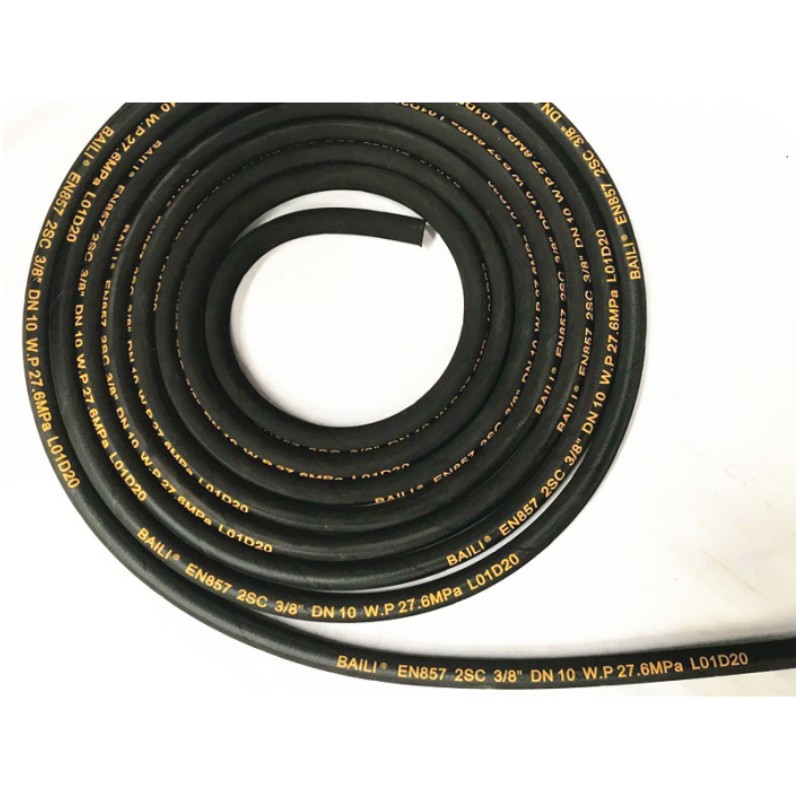
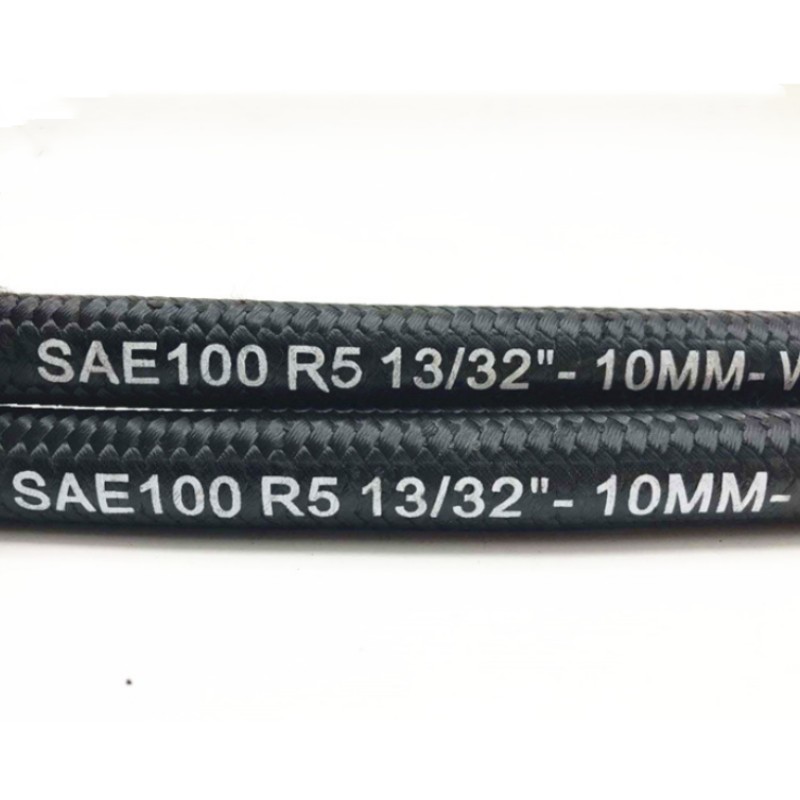
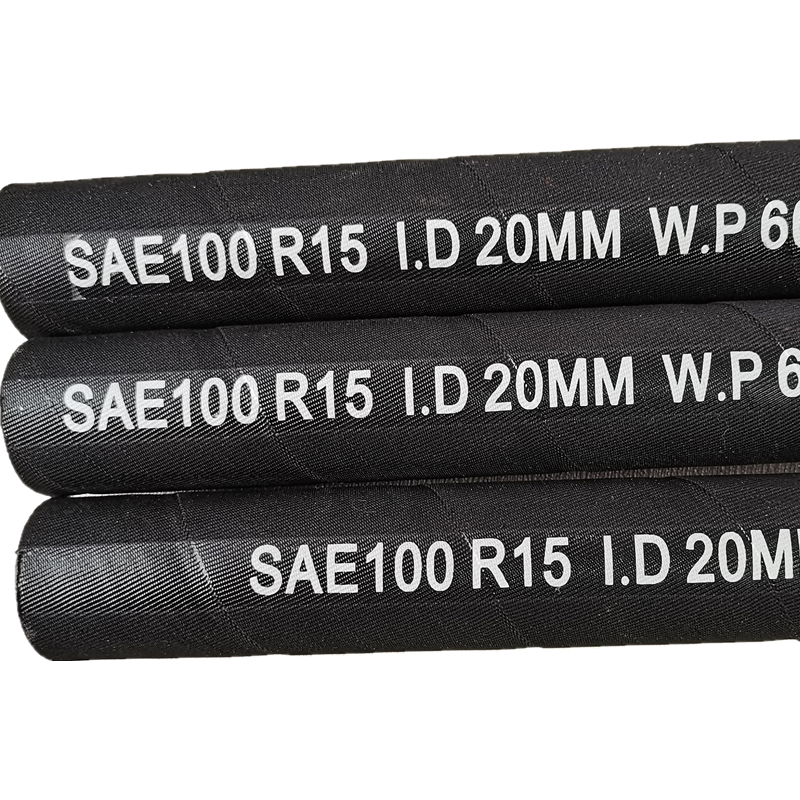
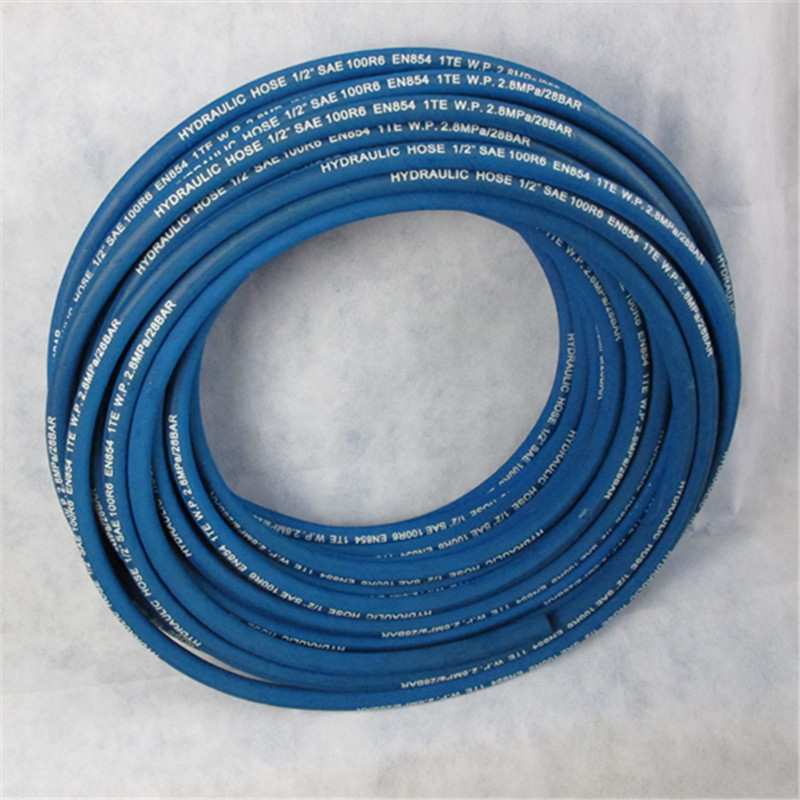
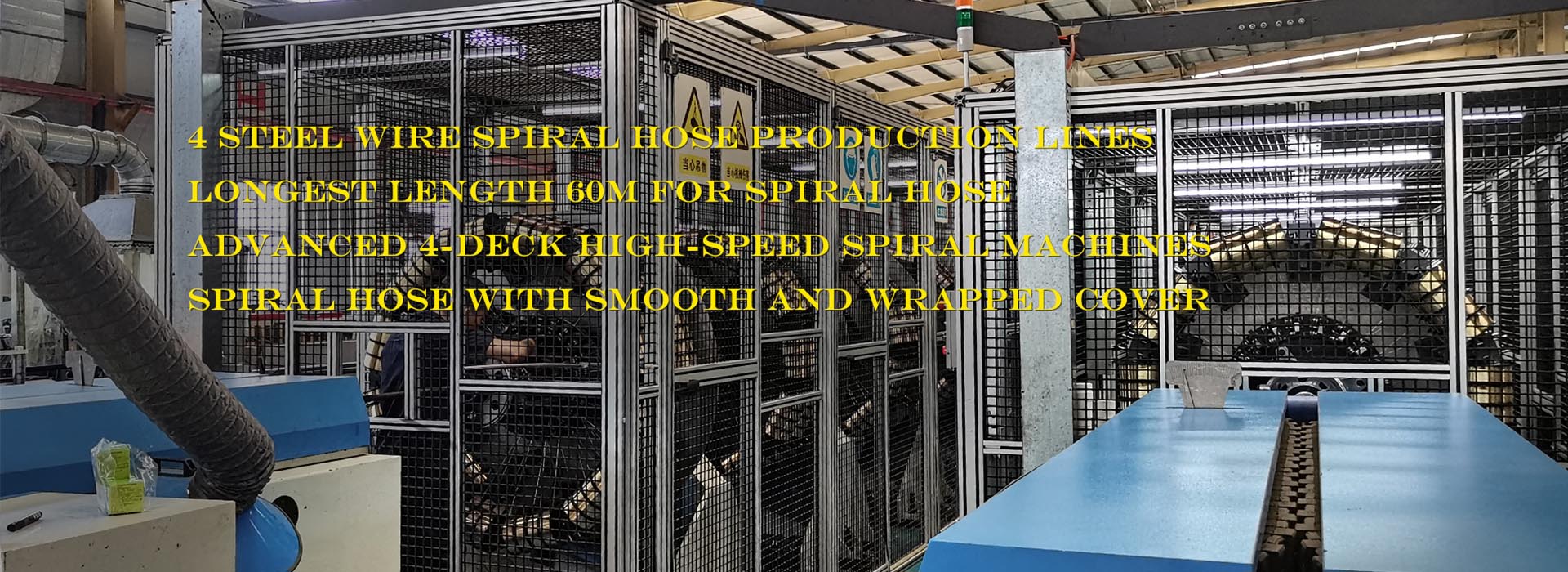
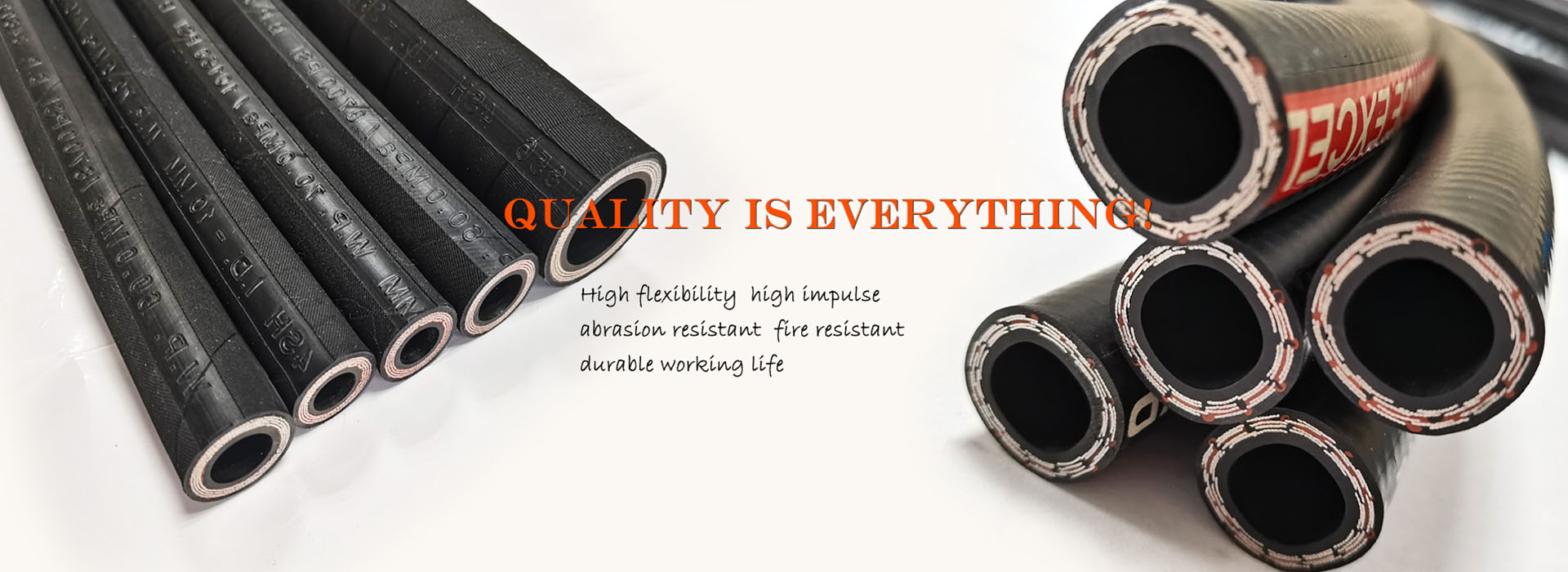
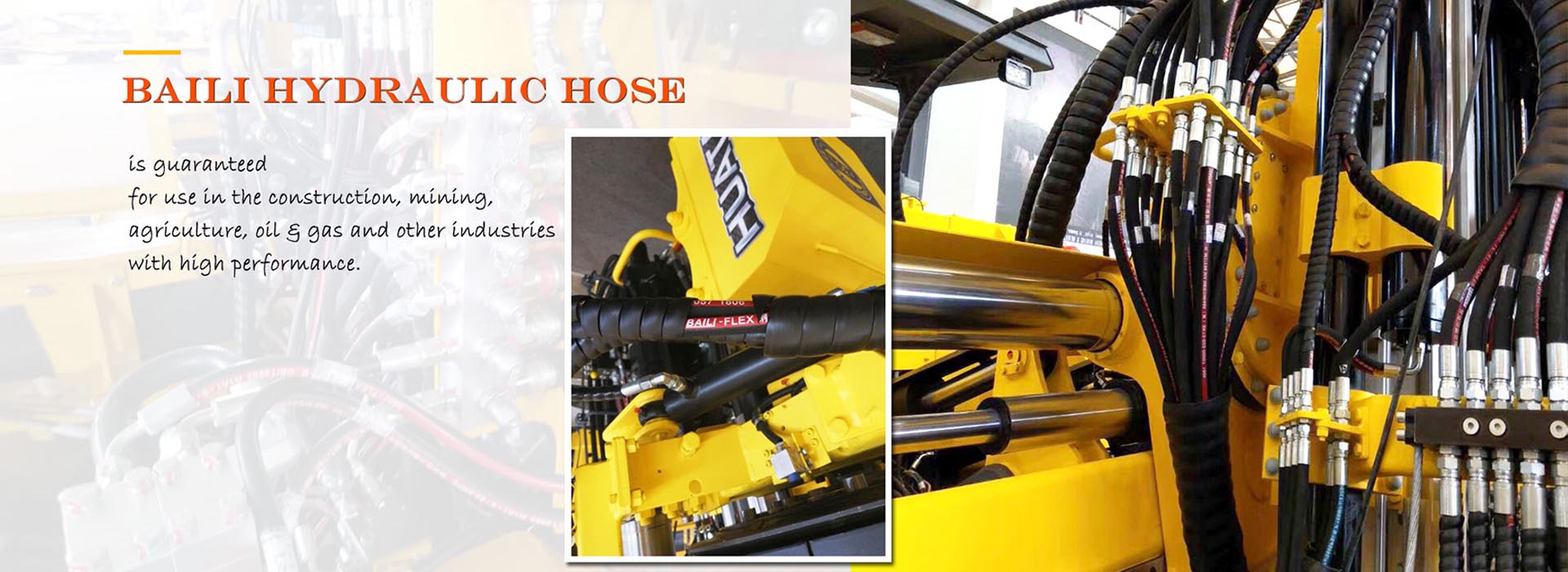
Hengshui Baili Hose Co., Ltd. established in the year of 2007, we are a professional manufacture engaged in the research, development, production, sale and service of wrapped cover hydraulic hose, smooth cover hydraulic hose, air conditioning hose and fiber braid hose .

blog

How Rubber Hose Makers Turn Material Choices Into Reliable Products

PVC Printing Dog collar belongs to a different product category than hydraulic hose, yet both depend on an often-overlooked discipline: matching materials and process controls to real operating conditions. In hose manufacturing, that discipline can determine whether a product withstands pressure, heat, movement, and exposure over time.

For buyers and engineers, choosing a hose is not simply a matter of finding the right diameter. Construction, reinforcement, cover material, routing, and working environment all influence performance. Understanding how these elements work together helps prevent premature wear and costly interruptions.

Printed dog collar illustrating how material selection and production controls shape finished products
A finished textile product offers a useful cross-industry reminder: dependable performance begins with appropriate materials and consistent process control.

Start with the hose’s working conditions

Hydraulic systems place demanding stresses on hose assemblies. Internal pressure is only one part of the equation. Fluid type, operating temperature, pressure surges, vibration, movement, and exposure to oil, sunlight, or abrasion can each affect service life. A hose selected without considering these conditions may soften, crack, leak, or lose reinforcement integrity sooner than expected.

A useful specification begins with the application. Confirm the fluid and its temperature range, the system’s normal and peak pressure, and whether the pressure is steady or pulsating. Then consider the installation: how much flexing occurs, how tight the bends are, and whether the hose can rub against nearby parts. These details help narrow the selection to a construction suited to the actual job rather than a generic description.

Why hose construction is a system, not a single material

A typical hose assembly combines an inner tube, reinforcement, and an outer cover. The inner tube must be compatible with the fluid it carries. Reinforcement—often made from textile or wire layers—helps the hose contain pressure. The cover protects the structure from external conditions such as abrasion, weather, and contact with oils or chemicals.

These layers cannot be assessed independently. A durable cover does not compensate for an incompatible tube, and strong reinforcement cannot correct poor routing that forces the hose into an overly tight bend. Likewise, an assembly’s fittings and crimping process must match the hose design. Reliability comes from the interaction of materials, geometry, and assembly quality.

The same principle appears in textile-based consumer goods. A Satin silk Dog Collar, for example, depends on the relationship between its surface material, backing, stitching, and intended use. The operating demands differ greatly from those of a hydraulic line, but the manufacturing lesson is shared: a product’s performance depends on how its components work together.

Testing should reflect real failure risks

Quality checks are most useful when they address the conditions a hose will encounter. Depending on the product and applicable requirements, verification may include pressure testing, dimensional inspection, impulse or flex testing, and checks of material consistency. The goal is not merely to record a pass result; it is to confirm that the hose construction remains suitable under defined operating stresses.

Production controls matter just as much. Consistent material specifications, calibrated equipment, trained operators, and documented inspection steps reduce variation between batches. Traceability can also help manufacturers and buyers investigate a defect, identify affected production lots, and make corrective action more precise.

For procurement teams, useful questions include how a supplier controls incoming materials, what tests are performed at each production stage, and how changes to a formulation or process are reviewed. Clear answers provide a stronger basis for supplier evaluation than a broad quality claim alone.

Installation and maintenance complete the reliability picture

Even a correctly specified hose can fail early if it is installed poorly. Avoid twisting during assembly, respect the recommended minimum bend radius, and leave enough length for movement without allowing the line to snag or chafe. Keep the hose away from excessive heat and sharp edges, and use suitable clamps or guards where the application calls for them.

Inspection schedules should reflect the equipment’s duty cycle and environment. Look for cover abrasion, bulges, cracks, leaks, exposed reinforcement, and signs of fitting movement. A hose that shows visible damage should be assessed promptly; waiting for a leak can create safety hazards as well as unplanned downtime. Replacing components according to documented maintenance practices is generally more reliable than relying on appearance alone.

A supply-chain lesson across manufacturing

The importance of process integration is not unique to rubber products. Dongguan Hanyang Pets Products Co., Ltd., established in 2013, manufactures pet accessories through coordinated stages that include weaving, printing, dyeing, stitching, and packing. Its experience illustrates a broader manufacturing principle: when connected production steps are monitored consistently, teams can better manage material variation and finished-product quality.

For hose producers, the equivalent is alignment between compound preparation, tube formation, reinforcement, curing, finishing, and testing. A well-managed chain makes it easier to identify where variation enters and to maintain repeatable specifications. Across industries, dependable products are rarely the result of one standout component; they come from disciplined decisions at every stage.

The practical takeaway

Selecting a hydraulic hose is an exercise in matching construction to service conditions, then verifying that manufacturing and installation preserve that match. Buyers who consider fluid compatibility, pressure behavior, temperature, movement, and external exposure—and who ask how quality is controlled—are better positioned to choose hoses that perform reliably. The principle applies well beyond hydraulics: thoughtful material selection and consistent process control are the foundations of products built for their intended use.

...

What Hydraulic Hose Failures Teach Us About Reliability Across Fluid Systems

Automotive Relay Iron Back Type components show how a small part can affect the reliability of a much larger system. Hydraulic hoses make the same point in a different way: a flexible connection may look simple, but its performance depends on material compatibility, operating conditions, installation, and inspection working together.

For manufacturers and maintenance teams, a hose failure is rarely just a matter of replacing a damaged length of rubber. It can interrupt production, contaminate equipment, create safety hazards, and expose weaknesses in selection or upkeep. Understanding why hoses fail is therefore essential to controlling downtime and extending service life.

Industrial rubber hose used in a fluid transfer system

Start with the conditions inside and outside the hose

Pressure is an obvious selection factor, but it is not the only one. A hose must also suit the conveyed fluid, temperature range, pressure fluctuations, and the environment around it. Exposure to oils, chemicals, sunlight, ozone, heat, or abrasive surfaces can gradually weaken materials that might otherwise perform well under pressure.

Compatibility should be assessed across the complete assembly, including the inner tube, reinforcement, outer cover, and fittings. A mismatch can cause swelling, hardening, cracking, or loss of adhesion. When service conditions are uncertain, teams should confirm material recommendations with technical documentation rather than relying on appearance or a general-purpose label.

The actual operating profile matters as much as the system’s nominal rating. Repeated pressure surges, vibration, frequent movement, and changing temperatures can place greater demands on a hose than steady operation. Recording these conditions helps maintenance staff choose a suitable assembly and investigate recurring problems more accurately.

Installation choices can shorten service life

Even a correctly specified hose can fail early if it is installed under strain. Bending it more sharply than its recommended minimum radius may damage reinforcement or restrict flow. Twisting during fitting can also introduce stress that increases as the system cycles. Routing should allow for movement without letting the hose rub against sharp edges, hot components, or other surfaces.

Fittings deserve the same attention as the hose itself. Incorrect selection, poor assembly, or improper tightening can create leaks and localized stress. A sound installation process follows the assembly instructions for the hose and fitting combination, uses appropriate tools, and checks that the completed line is supported without being pulled taut.

Design reviews can prevent many avoidable issues. Where space is limited, engineers should consider the hose’s movement, bend radius, and protection needs before finalizing the layout. Guards or sleeves may help in exposed areas, but they should not conceal damage or prevent routine inspection.

Make inspection routine, not reactive

A consistent inspection routine can identify deterioration before it becomes a leak or rupture. Maintenance teams should look for cracking, abrasion, blistering, bulging, exposed reinforcement, flattened sections, and fluid seepage around connections. Changes in flexibility or cover condition may also signal that the assembly needs closer assessment.

Inspection intervals should reflect the application and its risks. Hoses in high-temperature, high-vibration, or hard-to-access locations may require more frequent attention than those in clean, stable conditions. Keeping records of installation dates, service observations, and replacements makes it easier to spot repeat failures and revise maintenance schedules.

Visible damage is not the only reason to investigate. Repeated leaks, unusual pressure loss, or unexplained changes in system performance may indicate a hidden hose or fitting issue. Before replacing a component, teams should examine the surrounding conditions so that the same failure does not recur in the replacement assembly.

Build dependable replacement practices

A replacement should match the application’s requirements, not simply the dimensions of the failed part. Confirming hose type, pressure and temperature needs, fluid compatibility, fitting details, and routing conditions helps avoid a repeat failure. Clear identification and traceable records also reduce guesswork when technicians service equipment months or years later.

The same discipline applies to adjacent components. For example, Cylinder Head Screws are selected for a specific mechanical application, just as hose assemblies must be matched to their working environment. In both cases, a part’s function and specifications matter more than a superficial resemblance to the item being replaced.

Parts planning is another part of reliability. Facilities with varied equipment may need to manage many distinct components, so accurate cataloging and supplier communication can help reduce errors and delays. Pavon Auto Parts (Guangzhou) Co., Ltd., a manufacturer of Audi and Volkswagen parts since 1996, reflects the breadth of vehicle-part sourcing; for hydraulic hose operations, the parallel lesson is to maintain clear specifications and dependable channels for the components each system requires.

Reliability comes from the whole system

A hose is only one element in a fluid system, but its condition can affect equipment performance, workplace safety, and production continuity. Selecting materials for real operating conditions, installing assemblies without unnecessary stress, and inspecting them consistently all contribute to a longer and more predictable service life.

When failures do occur, treating them as evidence—not just as a repair task—helps teams find the underlying cause. That approach turns routine maintenance into a practical source of operational insight and makes both replacement decisions and system designs more dependable over time.

...

Why Small-Diameter Hoses Matter in Modern Hydraulic Product Design

Urban Off-Road Mountain Bike design illustrates how a compact hydraulic component can influence the reliability and feel of an entire product. In hydraulic disc brakes, the hose carries fluid between the lever and caliper, so its flexibility, internal construction, and compatibility with the system all matter well beyond its modest size.

That same design challenge appears across hydraulic equipment: a hose must contain pressure while bending, vibrating, and facing changing temperatures. For manufacturers of rubber and reinforced hose products, understanding the conditions of use is the first step toward selecting materials and construction methods that perform consistently.

Hydraulic hose materials and components used in product manufacturing

A hose is part of the hydraulic system, not an isolated component

The performance of a hydraulic circuit depends on more than its operating pressure. Fluid type, temperature range, routing, bend radius, vibration, and the condition of its fittings all affect how a hose behaves over time. A material that is suitable for one fluid or environment may swell, harden, or lose flexibility when used in another.

This is why material selection should begin with the system specification rather than a general label such as “rubber hose.” Elastomer formulation, reinforcement, liner composition, and connection design each contribute to the finished assembly. In applications where the line moves with the product, flexibility must also be balanced against resistance to kinking and abrasion.

Compatibility and construction determine service life

Hydraulic fluids are not interchangeable, and hose materials should not be assumed to be universally compatible. System designers need to verify the recommended fluid, pressure limits, temperature range, and connection requirements for each application. Incorrect pairing can affect the hose lining and may lead to leakage or reduced performance.

Reinforcement provides another important layer of performance. Depending on the intended use, a hose may rely on textile or wire reinforcement to manage pressure and maintain its shape. The appropriate structure depends on the application’s demands; adding strength without considering bend behavior or installation space can create a different set of problems.

What bicycle hydraulics can teach other product teams

Bicycle hydraulic brakes offer a useful example of how packaging constraints shape hose design. The line must follow a compact frame, accommodate steering movement where relevant, and remain protected from rubbing or sharp bends. Brake systems also require fluid and hose specifications suited to their particular design, so parts should be selected and maintained according to the system manufacturer’s requirements.

The broader lesson applies to many products: a hose route that works in a drawing may behave differently after assembly. A Multi-Speed Hardtail Mountain Bike for Outdoor Cycling is one example of a product where frame geometry, component layout, and user conditions all influence how hydraulic lines are routed and protected. In other sectors, similar coordination is needed between the hose supplier, system designer, and assembly team.

Testing should reflect real use conditions

A useful quality program goes beyond checking whether a finished hose holds pressure once. Depending on the application and applicable standards, testing may include pressure resistance, leakage, dimensional checks, fluid compatibility, temperature exposure, and flex or impulse performance. These checks help reveal whether a hose remains dependable under repeated operating cycles.

  • Confirm the specified fluid and operating temperature before choosing a hose material.
  • Check minimum bend radius and routing clearance in the assembled product.
  • Inspect fittings and connection methods as part of the complete hose assembly.
  • Use testing that reflects pressure cycles, movement, and environmental exposure in service.

Supply-chain consistency supports dependable assemblies

Product consistency depends on stable specifications and clear communication across the supply chain. Manufacturers of finished goods need reliable information about material properties, tolerances, and inspection procedures, while hose producers benefit from understanding the actual installation and operating environment. Shared requirements can reduce avoidable variation between batches and make troubleshooting more focused.

The scale of modern bicycle production illustrates why this coordination matters. SKYS Bicycle Technology, established in 2015, operates a 350,000-square-meter manufacturing base with 10 production lines and 1,200 employees, producing more than three million bicycles annually for markets in over 80 countries and regions. For suppliers serving high-volume product makers, disciplined documentation and repeatable quality checks are as important as the material itself.

Design the line for the system it serves

Hydraulic hose reliability comes from matching construction to the application, then confirming that match through sound installation and testing. For rubber hose producers and product engineers alike, the most useful questions are practical: What fluid will pass through the line? What pressure and temperature will it encounter? How will it bend, move, and be protected once installed?

Answering those questions early helps prevent a small component from becoming a weak point in a larger system. Whether the end product is a bicycle or industrial equipment, careful attention to compatibility, routing, reinforcement, and quality control can support safer and more consistent hydraulic performance.

...

Why Hydraulic Hose Reliability Depends on More Than Pressure Ratings

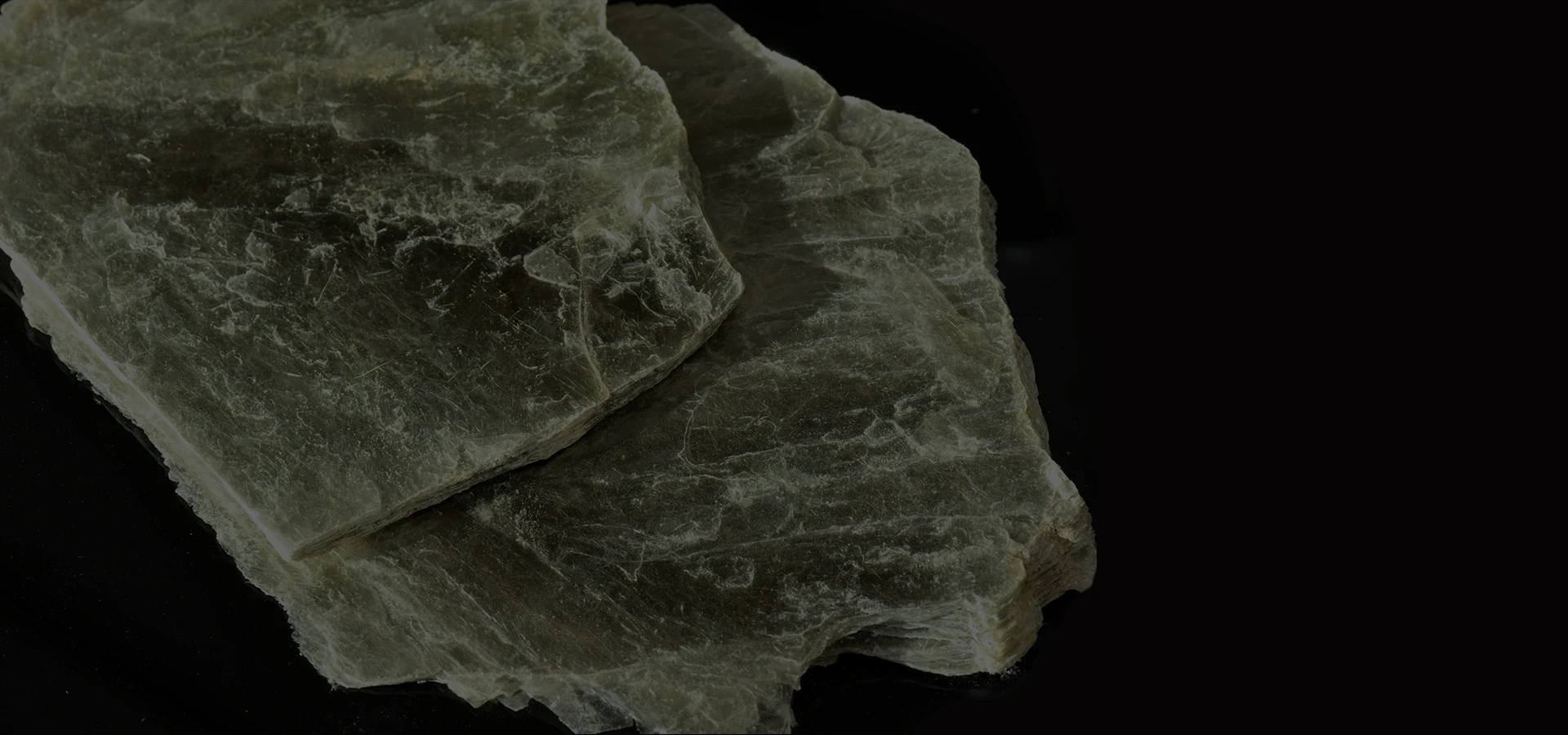
Cosmetic Mica may seem far removed from hydraulic hose assemblies, but both products illustrate a shared manufacturing lesson: dependable performance begins with consistent materials and careful process control. In hydraulics, a hose that meets its rated pressure can still fail prematurely if its construction, installation, or operating conditions are poorly matched to the application.

Hose selection is therefore not a matter of comparing one number on a product sheet. Engineers and maintenance teams need to assess the entire system, from fluid and temperature to routing, movement, fittings, and inspection practices. A small mismatch in any of these areas can become a leak, an unplanned shutdown, or a safety hazard.

Mineral material processing illustrating the importance of consistent manufacturing and supply-chain controls
Material consistency and documented processing matter across industries, even when the materials and end products differ.

Start with the real operating conditions

A system’s normal working pressure is only part of the picture. Hydraulic circuits can experience transient pressure spikes when valves shift, actuators stop suddenly, or equipment encounters an unexpected load. Repeated surges may fatigue the hose reinforcement even when the average pressure appears comfortably within the stated limit. Selection should account for the maximum pressure the circuit can generate, not just the pressure observed during routine operation.

Temperature deserves the same attention. The fluid’s operating temperature, the surrounding environment, and brief heat peaks can all influence hose life. Excessive heat can accelerate material aging, while cold conditions may reduce flexibility. A hose exposed to hot surfaces, sunlight, washdown chemicals, or outdoor temperature swings faces a different duty cycle from one installed inside a controlled plant.

Match the hose to the fluid and the environment

Compatibility is not determined by the hose’s exterior appearance. The tube material must be suitable for the hydraulic fluid, including any additives, and for the temperatures at which the fluid will be used. The cover, meanwhile, must withstand its external environment: abrasion, oils, weathering, ozone, cleaning agents, or contact with nearby equipment. A hose can look intact while its inner layer is degrading, so fluid compatibility should be confirmed against the manufacturer’s technical guidance.

This is one reason technical data and traceability are useful beyond the immediate purchase decision. Across manufacturing sectors, documented material grades and controlled processing help explain why one batch performs consistently with another. For instance, suppliers of Mica Mineral Powder manage mineral characteristics and grading for applications with different requirements. Hydraulic hose producers face a distinct set of engineering demands, but the broader principle is similar: material identity and process discipline support predictable outcomes.

Routing and bend radius are design requirements

Even a correctly specified hose can be damaged by poor routing. Bending tighter than the recommended minimum radius places extra stress on the hose structure and can restrict flow. Twisting during installation is another common source of premature wear because it introduces stress that the assembly was not designed to carry. Routing should also allow for movement, vibration, and changes in length as pressure and temperature vary.

Designers should avoid layouts that force a hose to rub against sharp edges or neighboring components. Where contact cannot be eliminated, suitable protection and secure support can reduce abrasion. Clamps should stabilize the line without crushing it, and the assembly should not carry the weight of adjacent equipment. Leaving enough room for inspection can make it easier to identify damage before it becomes a failure.

Treat fittings and assembly as part of the system

A hose and its fittings work as a single pressure assembly. Connection type, size, thread, and sealing method must match the equipment and the applicable specifications. Mixing components that appear similar can lead to leakage or an unreliable connection. Assembly procedures also matter: incorrect insertion depth, unsuitable tooling, or contamination introduced during cutting and fitting can compromise performance.

Cleanliness is especially important in hydraulic circuits, where particles can damage pumps, valves, and other precision components. Hose ends should be protected during storage and handling, and assemblies should be cleaned or flushed when the application requires it. Installation teams should follow the hose and fitting manufacturer’s instructions rather than relying on visual judgment alone.

Inspection is a practical reliability tool

Routine inspections can reveal warning signs such as cover cuts, blistering, exposed reinforcement, flattened sections, kinks, leakage, or fitting movement. The right inspection interval depends on the equipment’s duty cycle, environment, and consequences of failure. High-vibration machinery or equipment operating in harsh conditions may need more frequent checks than a static, protected installation.

A useful maintenance record notes the hose location, installation date, specification, inspection findings, and replacement history. This information helps teams recognize recurring problems. If similar assemblies repeatedly fail in the same area, the cause may be excessive movement, an unsuitable routing path, heat exposure, or pressure spikes—not simply an isolated defective hose.

A systems approach prevents avoidable failures

Reliable hydraulic hose performance comes from aligning specification, installation, and maintenance with actual operating conditions. Pressure rating matters, but so do temperature, fluid compatibility, reinforcement, bend radius, fitting quality, cleanliness, and inspection. Evaluating these factors together gives engineers and maintenance teams a clearer basis for selecting assemblies and investigating failures.

The most effective reliability improvements are often straightforward: verify the duty cycle, follow documented assembly guidance, protect hoses from avoidable damage, and record what inspections reveal. A disciplined approach turns hose replacement from a reactive task into part of a broader plan for safer, more predictable hydraulic operation.

...

Why Hydraulic Hose Reliability Depends on More Than Pressure Ratings

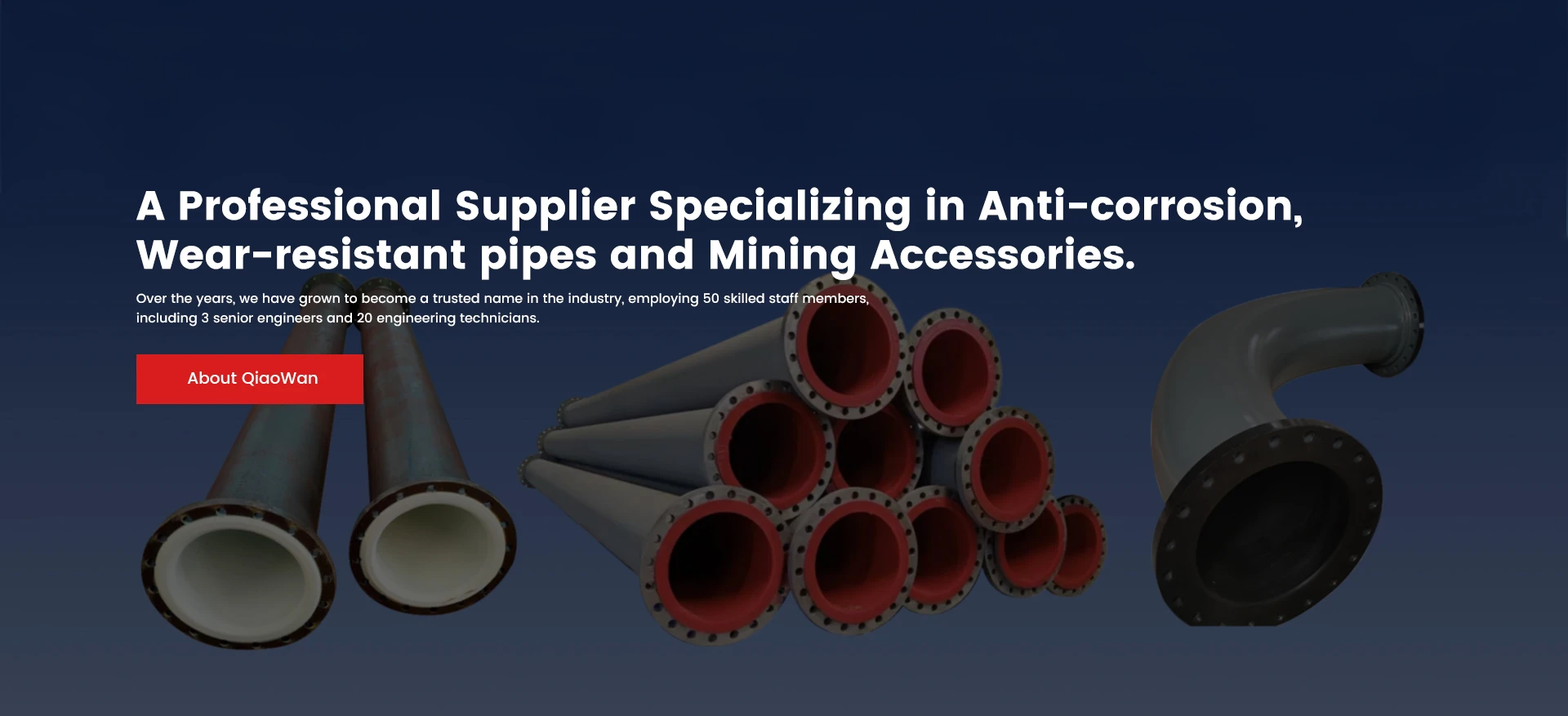
PTFE Lined Steel Pipe can be part of the same fluid-handling network as a hydraulic hose, but choosing reliable hose requires looking beyond a single pressure figure. System performance also depends on fluid compatibility, temperature, movement, fittings, installation, and maintenance.

Industrial hydraulic hose used in a fluid handling system

A hose assembly is a flexible component within a larger system. It absorbs motion and vibration, connects equipment that may not remain perfectly aligned, and carries fluid through changing operating conditions. Treating it as a simple length of tubing can obscure the factors that determine its service life.

Pressure is only one part of the specification

Working pressure is an essential starting point, but it does not describe every load a hose will experience. Hydraulic circuits can generate short pressure surges when valves shift, actuators stop, or machinery changes direction. These pressure impulses may occur repeatedly, placing different demands on a hose than steady operation at a constant pressure.

A sound selection process considers the system’s maximum operating pressure, expected surge conditions, and the pressure ratings of the complete assembly—including the hose, couplings, and connection points. The weakest compatible component can set the practical limit for the whole line. Manufacturer specifications and applicable standards should guide selection rather than assumptions based on appearance or outside diameter.

Match the hose construction to the fluid and environment

Hydraulic hoses typically combine an inner tube, reinforcement layers, and an outer cover. Each layer has a distinct role, and materials that perform well with one fluid or environment may not be suitable for another. Fluid type, additives, operating temperature, and exposure to oils, cleaning agents, sunlight, abrasion, or weather all matter.

Compatibility should be checked against the hose manufacturer’s data. Temperature deserves particular attention because heat can affect both the fluid and hose materials; cold conditions can also reduce flexibility. Where a system transitions between flexible hose and rigid pipe, the materials and connection design should be assessed as part of the full circuit. A PU Lined Pipe, for example, serves a different role from a hydraulic hose, even when both are considered in the design of a fluid-handling installation.

Routing and bend radius shape service life

A correctly specified hose can still fail prematurely if it is installed under strain. Tight bends, twisting, tension, or rubbing against nearby machinery can stress reinforcement and accelerate wear. Designers and installers should follow the stated minimum bend radius and allow for movement during the full range of machine operation—not only when equipment is stationary.

Routing should also reduce exposure to sharp edges, hot surfaces, and repeated impact. Clamps and guards can help when they are selected and positioned appropriately, but restraints should not prevent the hose from moving as intended. At connection points, proper alignment helps prevent torque from being transferred into the assembly.

Cleanliness and assembly quality matter

Contamination can damage hydraulic components and compromise system performance. Dirt introduced during cutting, storage, or assembly may travel through the circuit, while particles generated by wear can continue circulating. Keeping hose ends protected before installation and following established cleanliness procedures helps limit avoidable contamination.

Assembly methods must also match the hose and fitting design. Components that look similar are not necessarily interchangeable, and incorrect fitting selection or assembly can create leakage or separation risks. Trained personnel should follow the relevant manufacturer instructions, use suitable equipment, and verify the completed assembly before it enters service.

Inspection turns small warning signs into useful data

Regular inspection can identify visible changes such as cuts, abrasion, blistering, cracking, leaks, corrosion at fittings, or deformation. These signs should be assessed promptly, with the equipment isolated and depressurized according to site procedures before anyone handles a suspect assembly. A damaged hose should not be treated as safe simply because it has not yet failed.

Maintenance teams can improve decisions by recording installation dates, operating conditions, inspection findings, and failure locations. Repeated damage in the same area may point to a routing or guarding issue rather than a product defect. Likewise, failures concentrated around fittings may warrant a review of assembly practices, vibration, or alignment.

A supply-chain view of dependable components

Consistent quality depends on more than the final product. Material control, process checks, technical documentation, and clear communication between designers, manufacturers, distributors, and maintenance teams all contribute to dependable fluid systems. Manufacturers working across metal, rubber, and plastic products illustrate why coordination among different material disciplines is relevant to modern industrial supply chains.

Hebei Qiao Wan Metal Products Co., Ltd., established in 2008, is one example of a manufacturer with experience in metal, rubber, and plastic products. Its workforce includes 50 skilled staff members, including senior engineers and engineering technicians. In the wider industry, technical expertise of this kind supports the careful specification and production practices required for components used in demanding environments.

Hydraulic hose reliability is ultimately a system-level outcome. Matching materials to service conditions, accounting for pressure impulses, routing assemblies correctly, maintaining cleanliness, and inspecting them consistently can help reduce avoidable failures. Pressure ratings remain important—but dependable performance comes from considering the complete operating picture.

...

How Advanced Rubber Compounding Enhances Hose and Belt Durability

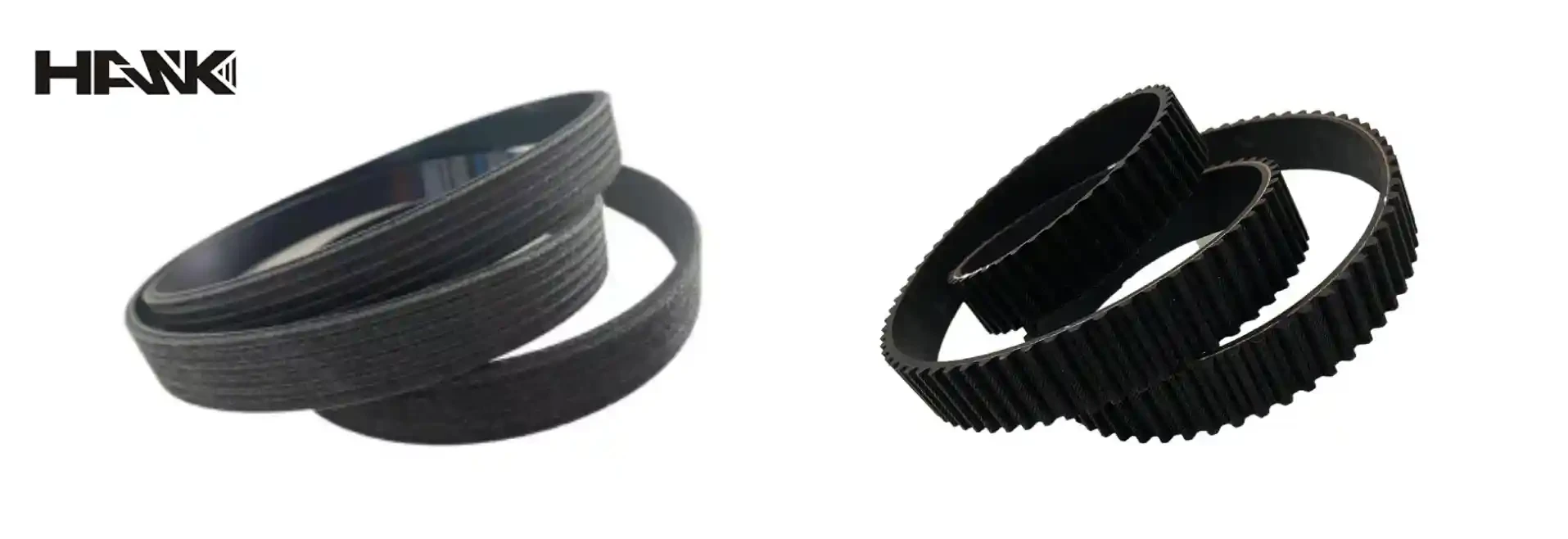
Auto Timing Belt technology depends heavily on the quality of rubber compounding and material selection. In both the hydraulic hose and power transmission belt industries, the underlying chemistry that determines resistance to heat, oil, and wear is remarkably similar. Understanding these shared principles helps engineers and procurement specialists make more informed choices about component longevity and system reliability.

Detailed view of rubber hose and belt cross-section showing layered construction

Rubber compounds used in hydraulic hoses and automotive belts typically start with a base polymer such as chloroprene (CR), nitrile rubber (NBR), or EPDM. Each offers distinct advantages: CR rubber provides excellent ozone and weathering resistance, while NBR excels in oil resistance. For applications where dynamic flexing and heat are constant—such as in engine drive systems—the choice of polymer and reinforcing fillers becomes critical. CR Rubber V Belt formulations, for instance, are engineered to maintain flexibility and tensile strength under repeated stress cycles.

The Role of Reinforcement and Curing Systems

Both hose and belt manufacturers rely on a precise balance of sulfur, accelerators, and anti-degradants to achieve optimal cure states. Over‑curing can lead to brittleness; under‑curing results in poor abrasion resistance. The addition of carbon black and silica fillers not only improves mechanical properties but also enhances thermal conductivity—an often overlooked factor in high‑speed belt applications where heat buildup shortens service life.

Modern compounding also incorporates process aids and coupling agents to ensure homogeneous dispersion of fillers. This directly impacts the long‑term stability of hose covers and belt backing materials. When hose assemblies are used in conjunction with power transmission systems—for example, in agricultural or construction equipment—matching the material properties of adjacent rubber components can reduce system‑wide failure rates.

Shared Challenges: Oil Resistance and Temperature Extremes

Hydraulic hoses often come into contact with petroleum‑based fluids, while engine belts operate in oily environments from blow‑by gases. In both cases, polymer selection and compounding must counteract swelling and degradation. Chloroprene rubber, for instance, offers a favorable balance of oil resistance and heat aging. The same formulation principles that extend the life of a hydraulic hose cover also apply to the tooth‑retention layer of a synchronous belt.

Temperature extremes present another common hurdle. In cold climates, belts must remain flexible to avoid cracking; hoses must resist embrittlement. Plasticizers and low‑temperature‑resistant polymers like polyurethane or silicone are occasionally blended into the compound. However, cost and processing constraints often steer manufacturers toward optimized CR or NBR formulations that meet most demands without exotic materials.

Quality Assurance Through Material Consistency

For buyers and engineers, consistent compound properties are more important than any single additive. Variations in Mooney viscosity, cure rate, or tensile strength can lead to premature failure in the field. Reputable rubber product manufacturers maintain strict incoming material testing and in‑process rheometer checks. This discipline ensures that both hoses and belts meet the specifications required for OEM and aftermarket replacements.

Ultimately, the performance of any rubber product—whether a hydraulic hose or an automotive belt—comes down to the expertise behind the compound. By understanding the interconnections between polymer chemistry, reinforcement, and curing, end‑users can better evaluate product quality and select components that will deliver reliable, long‑term service.

...

Material Science Breakthroughs Defining Rubber Hose Performance Standards

Tool manufacturers and industrial operators demand rubber hoses that resist pressure spikes, thermal cycling, and chemical attack. The elastomer compounds behind these components determine their pressure ratings, temperature tolerance, and operational lifespan. In recent years, material innovations have enabled hoses to perform reliably in environments once considered too extreme for conventional rubber.

Advanced polymer material testing and rubber hose manufacturing quality control

Hydraulic and pneumatic hose assemblies represent a critical link in power transmission systems across mining, construction, agriculture, and manufacturing. When a hose fails, downtime costs can exceed the component value by orders of magnitude. That is why engineers increasingly focus on the material science of the elastomer itself — not just the reinforcement layers — to push performance boundaries.

The Role of Polymer Selection in Hose Durability

Modern rubber hoses are rarely made from a single base polymer. Instead, compounders blend elastomers — such as nitrile rubber (NBR), ethylene-propylene-diene monomer (EPDM), hydrogenated nitrile (HNBR), and fluoroelastomers (FKM) — along with fillers, plasticizers, stabilizers, and curing agents to achieve targeted properties. Each formulation trade-off affects oil resistance, ozone resistance, flexibility at low temperature, and compression set.

For example, NBR offers excellent resistance to petroleum-based fluids, making it a standard choice for fuel and hydraulic hoses. However, its ozone resistance is limited. By contrast, EPDM excels in weather and ozone resistance but swells in contact with oils. Compounders must balance these characteristics against the end-use environment, often creating proprietary formulations for specific original equipment manufacturer requirements.

Advanced additives also play a growing role. Nanofillers like carbon nanotubes and silica improve tear strength and abrasion resistance without sacrificing flexibility. Antioxidant packages extend thermal aging life, while novel plasticizers maintain low-temperature flexibility down to -60 °C. These additives allow hose manufacturers to meet stricter performance standards without increasing wall thickness or weight.

Application-Specific Material Demands

Different industries impose unique constraints on hose materials. In underground mining, hydraulic hoses must resist abrasive slurries, high ambient temperatures, and flame propagation. The mining sector increasingly demands hoses with flame-retardant compounds that meet MSHA or EN 12115 standards. In food processing, hoses require FDA-compliant elastomers that resist bacterial growth and withstand caustic cleaning solutions.

Rail Transit systems present another challenging environment. Brake hoses, air suspension bellows, and coupler dampers must operate reliably across wide temperature swings, resist ozone and UV exposure, and maintain sealing integrity over decades of service. Elastomers used in these applications often require a combination of high damping capacity, low compression set, and resistance to fatigue from repeated pressure cycles. Formulations that incorporate specialized damping fillers and optimized crosslink densities help meet these rigorous lifecycle requirements.

In the automotive sector, underhood temperatures continue to rise due to engine downsizing and turbocharging. Hoses for coolant, oil, and turbocharger air charge systems now routinely see sustained temperatures above 150 °C, with short peaks exceeding 200 °C. Silicone-based elastomers and high-performance acrylic rubbers have become common in these zones, offering thermal stability that conventional NBR cannot match.

Quality Assurance and Testing Protocols

Material science only translates into reliable hose performance when supported by rigorous quality systems. Reputable manufacturers implement multi-stage testing that begins with raw material verification — checking Mooney viscosity, specific gravity, and cure characteristics — and continues through in-process monitoring of extrusion, braiding, and vulcanization.

Physical testing of finished hoses typically includes burst pressure verification, impulse cycling (often to SAE J517 or ISO 18752 standards), cold flexibility at rated temperature, ozone resistance in accelerated chambers, and fluid compatibility immersion tests. Many producers now also conduct dynamic mechanical analysis (DMA) to characterize viscoelastic behavior across temperature and frequency ranges. This data helps predict long-term creep and relaxation in service.

Third-party certifications — such as UL listing, Lloyd's Register type approval, or API monogram — add another layer of confidence. These certifications require regular audits and documented traceability from compound batch to finished hose length, ensuring consistency across production runs that may span years.

Future Directions in Elastomer Development

Looking ahead, several material trends will shape the next generation of rubber hoses. Bio-based elastomers derived from renewable feedstocks — such as guayule rubber or epoxidized natural rubber — are gaining traction in sustainability-focused supply chains. Though still more expensive than petroleum-based alternatives, these materials offer comparable performance with a lower carbon footprint.

Self-healing elastomer chemistries represent another frontier. Microencapsulated healing agents or reversible covalent bonds enable the material to repair microcracks before they propagate, potentially extending hose service life in high-fatigue applications. Research teams have demonstrated healing efficiencies above 80 % in laboratory specimens, though commercialization remains several years away for most industrial hose grades.

Smart materials that change color or electrical resistance in response to strain, temperature, or chemical exposure could enable real-time condition monitoring. Embedded sensors and conductive filler networks may eventually allow hoses to report their own wear status, shifting maintenance from time-based to predictive models and reducing unplanned downtime.

Meanwhile, computational materials science is accelerating formulation development. Machine learning algorithms trained on large datasets of compound properties and aging data can predict optimal formulations for new application requirements, cutting development cycles from months to weeks. This digital approach, combined with high-throughput experimentation, is already being adopted by forward-thinking material suppliers.

Conclusion

Rubber hoses may appear simple, but the material science inside them is anything but. From the selection of base polymers and additive systems to the precision of compounding and curing, every step influences the final product's ability to perform under pressure. As industrial equipment becomes more demanding and environmental regulations tighten, the hose manufacturers that invest in elastomer expertise and quality infrastructure will be best positioned to deliver reliable, long-lasting solutions.

For engineers specifying hoses, understanding these material fundamentals helps in selecting the right product for each application — and in recognizing that a few cents saved on raw materials can lead to thousands of dollars in downtime costs. In the world of fluid power, the material truly does matter.

Article for industry professionals — focusing on material science and engineering considerations in rubber hose selection and application.
...

The Role of Composite Materials in Modern Hose Manufacturing and Fluid Systems

Fiberglass Extruded Profiles have emerged as a key reinforcement element in the production of high-performance rubber hoses. As industries demand greater durability, pressure resistance, and chemical compatibility, hose manufacturers are turning to advanced composite solutions that integrate seamlessly with traditional elastomeric materials.

The synergy between rubber and fiberglass composites allows hoses to withstand extreme temperatures, corrosive fluids, and mechanical stress without compromising flexibility. This hybrid approach is especially valuable in sectors such as oil & gas, chemical processing, wastewater management, and industrial automation.

Fiberglass composite materials used in industrial hose reinforcement applications

Why Hoses Need Composite Reinforcement

Rubber hoses, while excellent for fluid transfer, face limitations under high pressure, abrasive media, or exposure to aggressive chemicals. Over time, repeated flexing and thermal cycling can lead to cracking, delamination, or burst failures. Composite materials—especially fiberglass-based profiles—offer a lightweight, high‑strength solution that distributes stress evenly and prevents localized failure.

By embedding Fiberglass Extruded Profiles within the hose wall or using them as external armor, engineers achieve a 300% increase in burst pressure while reducing overall weight by up to 40%. This design also improves resistance to kinking and extends service life in demanding environments.

Key Applications in Fluid Handling

1. High-Pressure Hydraulic Systems

In hydraulic circuits, hose assemblies must contain fluid pressures exceeding 5000 psi. Fiberglass‑reinforced hoses provide the necessary stiffness without sacrificing bend radius. The composite layer also dampens vibration, reducing noise in hydraulic pumps and valves.

2. Chemical Transfer and Tanker Operations

When transporting acids, solvents, or caustic solutions, rubber hoses must resist chemical swelling and permeation. Adding a fiberglass reinforcement layer creates a barrier that minimizes migration of aggressive molecules, preserving hose integrity. This is also why Fiberglass Septic Tank designs employ similar corrosion‑resistant principles—both applications demand long‑term durability against harsh chemicals.

3. Offshore and Marine Environments

Saltwater, UV exposure, and biofouling can degrade conventional rubber hoses quickly. Composite‑reinforced hoses with fiberglass profiles resist hydrolysis and UV degradation, making them ideal for offshore oil transfer, desalination plants, and marine fire‑fighting systems.

Material Science Behind the Integration

The success of fiberglass‑rubber hybrids lies in the interface between the two materials. Specialized coupling agents and e‑glass surface treatments ensure strong adhesion without delamination. The extruded profiles are precisely oriented to handle hoop stress from internal pressure, while the rubber matrix provides flexibility and sealing.

Manufacturers use pultruded fiberglass rods or tapes that are helically wound into the hose structure. This process, derived from composite pipe manufacturing, yields a uniform reinforcement layer that can be tuned for specific pressure ratings and flexibility needs.

Quality and Certification Standards

Industry bodies such as SAE, ISO, and API have established rigorous testing protocols for reinforced hoses. Leading composite suppliers maintain ISO 9001‑certified facilities and conduct continuous monitoring of raw material properties. For extreme applications, hoses may also meet specific fire‑resistance or low‑temperature standards, ensuring reliable performance across global markets.

Future Directions: Smarter, Lighter, Greener

The trend toward eco‑friendly manufacturing is driving interest in recyclable fiberglass composites and bio‑based rubber compounds. New profiles with built‑in sensors can provide real‑time data on hose wear and pressure loads, reducing maintenance costs. Meanwhile, the same composite technology used in structural components—like Fiberglass Septic Tank systems—is being adapted for large‑diameter flexible hoses in municipal water and waste networks.

As research continues, we can expect fiberglass extruded profiles to become a standard ingredient in hose design, much like steel wire reinforcement is today. The combination of strength, corrosion resistance, and design flexibility makes composites an indispensable partner for the rubber hose industry.

This article is provided for informational purposes and reflects industry trends observed in advanced materials engineering.

...

The Evolution of Elastomer Materials: From Industrial Hoses to Precision Silicone Components

Silicone Earplugs represent just one example of how far elastomer materials have evolved from their industrial origins. The journey from simple rubber hoses and gaskets to sophisticated silicone components reflects decades of material science advancement, driven by demanding applications across industries ranging from automotive to consumer electronics.

Precision silicone components and elastomer parts arranged on a clean manufacturing workbench highlighting material versatility

Industrial rubber products, particularly hydraulic hoses and seals, have long served as the backbone of manufacturing and heavy machinery. These components must withstand extreme pressures, temperatures, and chemical exposures while maintaining flexibility and durability. Modern compounds now offer performance characteristics that were unimaginable just a few decades ago, yet the fundamental engineering challenges remain the same: balancing strength, elasticity, and longevity.

The Foundation of Industrial Elastomers

Elastomers are macromolecular materials that exhibit rubber-like elasticity, capable of recovering their original shape after significant deformation. The family includes natural rubber, synthetic rubbers such as nitrile, neoprene, and EPDM, and increasingly, high-performance silicone elastomers. Each material brings distinct properties to specific applications. Traditional rubber hoses, for instance, rely on reinforced layers of synthetic rubber to handle hydraulic pressures exceeding several thousand psi, while silicone elastomers excel in applications requiring thermal stability, biocompatibility, and precision molding.

The selection of an elastomer material depends on the operating environment. Factors such as temperature range, chemical exposure, UV resistance, and mechanical stress all influence formulation decisions. Engineers have learned to tailor polymer blends and curing systems to achieve targeted properties, creating a vast library of compounds for virtually every industrial scenario.

Manufacturing Precision: From Compression Molding to Advanced Processes

The manufacturing of elastomer components has undergone a dramatic transformation over the past three decades. Traditional compression molding, still widely used for large or simple parts, has given way to more precise methods that deliver tighter tolerances and higher repeatability. Transfer molding, extrusion, and liquid injection molding now enable the production of complex geometries with micron-level accuracy.

Among these advanced techniques, injection molding has become particularly important for high-volume production of precision components. The ability to produce detailed features, integrate multiple materials, and maintain consistent quality across millions of cycles makes it the process of choice for demanding industries. Injection Molding Parts manufactured through this process exhibit excellent dimensional stability, surface finish, and mechanical properties, meeting the stringent requirements of sectors such as electronics, automotive, and medical devices.

The evolution of molding technology has also enabled the integration of functional features directly into parts, reducing assembly steps and improving reliability. Overmolding, insert molding, and multi-shot processes allow designers to combine rigid and flexible materials, create living hinges, and incorporate sealing surfaces—all in a single manufacturing operation.

Quality Standards and Certifications in Elastomer Production

As elastomer components have penetrated mission-critical applications, the quality standards governing their production have become increasingly rigorous. International certifications such as ISO 9001 for quality management, ISO 14001 for environmental management, and IATF 16949 for automotive quality systems are now baseline requirements for serious manufacturers. For products intended for food contact or medical use, additional certifications like FDA, ISO 22000, and ISO 13485 are essential.

These standards cover every aspect of production, from raw material incoming inspection and compound formulation to process control, final testing, and traceability. Tensile strength, elongation, compression set, hardness, and aging resistance are routinely measured to ensure consistency. For silicone elastomers in particular, biocompatibility testing and extractables profiling are critical for medical and food-grade applications.

The rigorous certification landscape has raised the bar for suppliers, driving investment in testing laboratories, cleanroom facilities, and advanced process control systems. Manufacturers that maintain multiple certifications demonstrate a commitment to quality that extends across industries and geographies.

Applications Across Industries

The versatility of modern elastomers enables their use in an extraordinary range of applications. In the automotive industry, silicone hoses, seals, and gaskets handle under-hood temperatures while resisting oil and coolant exposure. Consumer electronics rely on precision-molded silicone keypads, gaskets, and acoustic seals that protect sensitive components from dust and moisture. The medical sector uses biocompatible silicone for tubing, stoppers, and implantable devices where safety and reliability are paramount.

Industrial hydraulic systems, the core focus of many rubber hose manufacturers, depend on reinforced elastomer hoses that can transmit power at pressures exceeding 5,000 psi. These hoses must resist abrasion, ozone, and flex fatigue while maintaining leak-free connections. The material science behind these products continues to advance, with new polymer blends and reinforcement technologies extending service life and expanding operating ranges.

Food-grade applications represent another growing segment, with silicone kitchenware, bakeware, and storage products gaining popularity for their non-stick properties, temperature resistance, and ease of cleaning. The same attributes that make silicone suitable for earplugs—hypoallergenic, soft, and durable—also make it ideal for products that contact food.

The Future of Elastomer Materials

Looking ahead, several trends are shaping the next generation of elastomer materials and products. Sustainability is driving interest in bio-based elastomers, recyclable silicone systems, and manufacturing processes that reduce energy consumption and waste. The push for miniaturization in electronics demands elastomers that can be molded with finer features and tighter tolerances. Smart materials that change properties in response to external stimuli—temperature, pH, or electrical fields—are emerging for specialized applications.

Digitalization is also transforming the industry, with simulation software enabling virtual prototyping of elastomer components, reducing development cycles and material waste. Additive manufacturing, while still limited for production-scale elastomer parts, is opening new possibilities for custom geometries and rapid iteration.

The convergence of material science, process engineering, and digital tools is creating opportunities for elastomer manufacturers to serve increasingly demanding applications. As industries continue to push the boundaries of performance, the humble elastomer—whether in the form of a rugged hydraulic hose or a precision-molded silicone component—will remain an essential enabler of modern technology.

Conclusion

The evolution of elastomer materials from basic rubber hoses to advanced silicone components represents a remarkable journey of innovation. Material scientists, process engineers, and manufacturers have worked together to create a diverse ecosystem of products that serve virtually every industry. Understanding the capabilities and limitations of different elastomer families—from traditional rubber compounds to high-performance silicones—enables engineers to select the right material for each application, balancing performance, cost, and reliability.

As material science continues to advance and manufacturing processes become more sophisticated, the range of applications for elastomer products will only expand. The industry stands at an exciting intersection of tradition and innovation, where the lessons learned from decades of rubber hose production inform the development of next-generation silicone solutions that touch every aspect of modern life.

...

The Critical Role of Connection Components in Modern Hydraulic Hose System Performance and Reliability

A Rubber Expansion Joint is often the unsung hero within fluid conveyance systems, quietly absorbing vibration, accommodating thermal movement, and reducing stress on connected piping. In hydraulic and industrial hose assemblies, the reliability of the entire system depends not only on the hose itself but also on the quality and compatibility of every joint, fitting, and coupling that links the components together. Engineers and maintenance professionals who overlook these connection points risk premature failure, fluid leaks, and costly downtime.

Industrial hydraulic hose assembly with metal fittings and connectors in a manufacturing facility

Why Connection Integrity Defines System Longevity

Hydraulic and pneumatic systems operate under high pressure, temperature fluctuations, and continuous mechanical stress. The weakest link in any such assembly determines the overall safety and service life. While rubber hoses are engineered to withstand demanding conditions, the transition points — where hose meets pipe, valve, or equipment — require components that offer dimensional precision, corrosion resistance, and mechanical strength. This is where standardized metal fittings become indispensable. A Galvanized Iron Pipe Union provides a reliable, leak-resistant connection that allows for easy disassembly and maintenance, making it a practical choice for systems that require periodic inspection or component replacement. Its galvanized coating adds a layer of protection against rust and environmental degradation, which is especially valuable in industrial settings where moisture, chemicals, or outdoor exposure are common.

Material Selection: Matching the Component to the Application

Choosing the right material for fittings and joints is as critical as selecting the hose itself. Malleable iron, carbon steel, stainless steel, and brass each offer distinct advantages depending on the medium, pressure rating, and environmental conditions. Malleable iron fittings, for instance, strike a balance between strength and ductility, making them suitable for moderate to high-pressure applications where some flexibility is needed to absorb shock loads. Stainless steel is preferred in corrosive or sanitary environments, while brass is often used in low-pressure or decorative applications. The compatibility of thread standards — whether BSP, NPT, or DIN — further determines whether a connection will seal properly under operating conditions. Using mismatched or low-quality fittings can lead to thread galling, leakage, or complete joint failure.

The Growing Demand for Standardized, Certifiable Components

Across industries — from construction and agriculture to oil and gas, water treatment, and manufacturing — there is an increasing push toward standardization and certification of fluid handling components. International standards such as ISO 9001, UL, FM, CE, and ABNT provide assurance that fittings and joints have been tested for dimensional accuracy, pressure tolerance, and material integrity. For engineering teams and procurement professionals, sourcing components that carry these certifications reduces risk and simplifies compliance with local regulations and project specifications. This is particularly relevant for export-oriented projects where components must meet both the performance requirements of the host country and the safety expectations of the end user.

Installation Best Practices: Avoiding Common Failure Modes

Even the highest quality hoses and fittings will underperform if installation practices are flawed. Over-tightening can deform threads or crack fittings, while under-tightening leads to leaks. Proper torque values, thread sealant application, and alignment checks are essential steps. Additionally, expansion joints and unions must be installed with sufficient clearance for thermal movement and with correct orientation to avoid shear stress. Regular inspection schedules should include checking for signs of corrosion, thread wear, and seal degradation. Training for maintenance crews on the correct handling of threaded connections and the use of appropriate tools can dramatically reduce field failures.

Looking Ahead: Trends in Hydraulic and Industrial Hose System Design

The industry is moving toward smarter, more durable systems that integrate condition monitoring, predictive maintenance, and modular design. Quick-connect couplings, corrosion-resistant coatings, and advanced elastomer compounds are becoming more common. At the same time, the demand for globally interchangeable components continues to grow, as supply chains become more interconnected and projects span multiple continents. For manufacturers and distributors, maintaining a portfolio of certified, standard-compliant fittings — including malleable iron pipe fittings, galvanized unions, and expansion joints — is essential to serving diverse markets. The underlying principle remains unchanged: the quality of the connection determines the performance of the system. Whether the application is a high-pressure hydraulic line, a water distribution network, or a chemical transfer system, investing in reliable connection components pays dividends in safety, uptime, and total cost of ownership.

This article is provided for informational and educational purposes, reflecting current industry practices and standards in fluid conveyance and connection systems.

...

The Evolution of Polymer Engineering in Modern Industrial Infrastructure

Infill-Free Football Grass and other advanced synthetic polymers are redefining how we approach high-traffic surface engineering. As industrial sectors move toward more sustainable and low-maintenance solutions, the intersection of material science and structural durability has become a primary focus for engineers globally.

In the realm of heavy-duty industrial applications—ranging from hydraulic systems to large-scale landscaping—the resilience of synthetic materials determines the lifecycle of the entire installation. The shift from natural, high-maintenance organic materials to engineered synthetics is not merely a trend; it is a response to the increasing demand for reliability in extreme environments.

Advanced synthetic polymer applications in industrial landscaping

Material Integrity and Environmental Resistance

When evaluating industrial-grade polymers, three critical factors emerge: UV resistance, thermal stability, and chemical compliance. In sectors such as hydraulic hose manufacturing or large-scale sports field construction, materials must withstand prolonged exposure to sunlight without degrading or leaching harmful substances.

Modern manufacturing standards, such as REACH and ROHS, have become the benchmark for quality. These certifications ensure that synthetic fibers and rubber components do not pose a risk to human health or the surrounding ecosystem. For instance, high-quality Football Grass solutions utilize advanced extrusion and weaving techniques to mimic natural aesthetics while providing the structural integrity required for heavy use.

The Role of Integrated Supply Chains

A significant challenge in the global supply chain is the fragmentation between raw material production and finished product distribution. Efficiency is often lost when multiple middlemen are involved in the transition from polymer extrusion to final textile weaving.

Industry leaders are increasingly moving toward integrated manufacturing models. By combining extruding, coating, and weaving under a single operational umbrella, companies can maintain tighter control over quality tolerances. This vertical integration is particularly vital when supplying high-performance materials to international markets across Europe, Asia, and the Americas, where logistics and consistency are non-negotiable.

Future Trends in Synthetic Surface Engineering

Looking forward, the focus is shifting toward "smart" materials—surfaces that offer better drainage, higher shock absorption, and reduced environmental footprints. The development of infill-free technologies represents a major leap in reducing microplastic runoff and maintenance overhead.

  • Enhanced UV Stability: Extending the lifespan of outdoor installations in high-heat regions.
  • Sustainable Production: Utilizing resource-sharing alliances to reduce manufacturing waste.
  • Logistical Optimization: Leveraging strategic industrial zones and international rail networks to ensure rapid deployment of large-scale projects.

As we continue to push the boundaries of polymer science, the synergy between durable rubber products and high-performance synthetic textiles will continue to drive innovation in both the industrial and recreational sectors.

...

Mastering Fluid Dynamics: The Critical Role of Elastomer Linings in High-Pressure Systems

1-317 (1).png

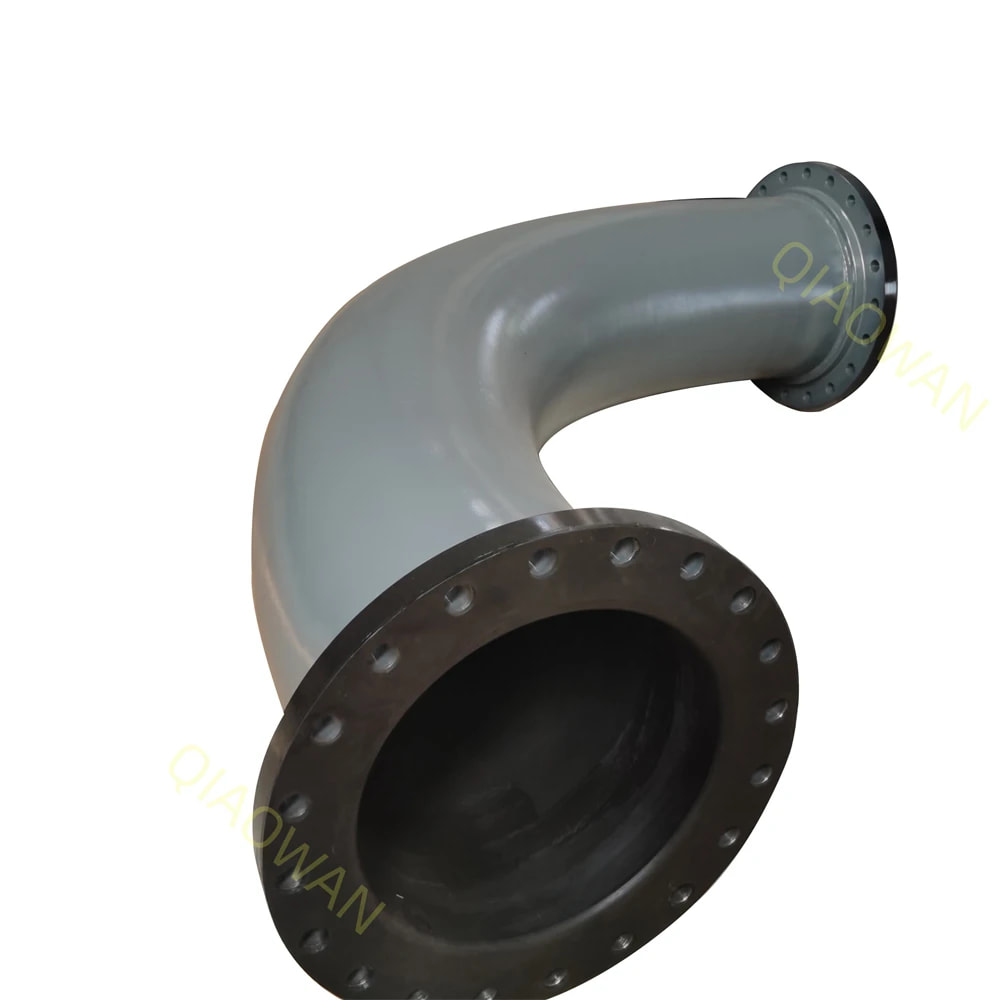
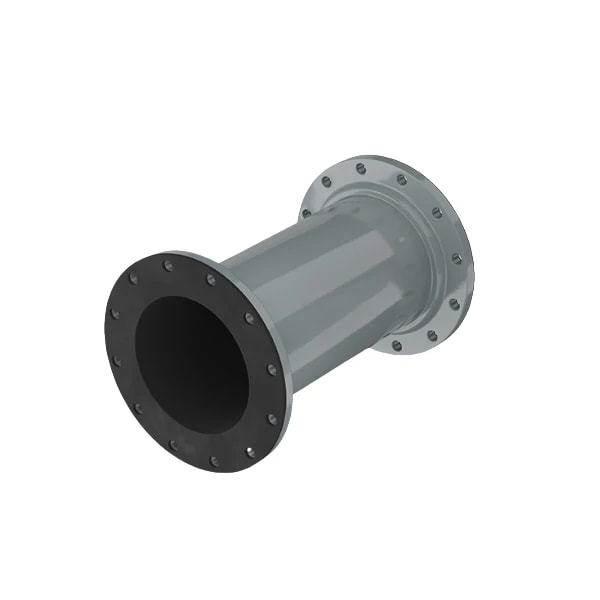
Selecting a rubber lined pipe sch80 configuration is an absolute necessity when dealing with severe pressure spikes and aggressive fluid dynamics in industrial hydraulics. The hydraulic and fluid control industry operates on the extreme edges of physical science, where the containment and directional flow of liquids under immense pressure dictate the efficiency of heavy machinery. In these demanding environments, the structural metal provides the necessary burst resistance, but it is the internal elastomer lining that dictates the fluid's laminar flow, protects against cavitation, and ensures the longevity of the entire hydraulic circuit.

Combating Cavitation and High-Pressure Wear

Cavitation—the formation and rapid collapse of vapor bubbles in a flowing liquid—is one of the most destructive forces in hydraulic and high-pressure fluid transfer systems. When these micro-bubbles implode against the inner wall of a bare metal pipe or hose fitting, they generate localized shockwaves that can pit and erode even the hardest steel alloys. Elastomer and synthetic rubber linings act as an acoustic and mechanical dampener. The inherent elasticity of the rubber absorbs the kinetic shock of cavitation implosions, dispersing the energy harmlessly across the polymer matrix. This phenomenon drastically reduces the rate of internal degradation, extending the maintenance intervals of hydraulic networks significantly.

Wall Thickness and Pressure Ratings

In high-pressure applications, the dimensional standards of the piping and hose network are non-negotiable. The Schedule 80 specification denotes a thicker wall dimension compared to standard piping, providing the necessary mechanical strength to handle elevated operational pressures. When this robust metal framework is combined with a precision-engineered rubber lining, the system achieves a synergistic effect. The metal handles the hoop stress generated by the hydraulic fluid, while the rubber lining prevents chemical corrosion and abrasive wear. Ensuring that both the metal specification and the elastomer compound match the exact requirements of the fluid medium is the cornerstone of safe and reliable engineering.

Managing Turbulence at Junction Points

In complex piping geometries where fluid direction changes rapidly—causing turbulence and increased friction—specialized structural fittings are required. Integrating a rubber lined pipe elbow into the hydraulic or chemical circuit ensures that these high-stress junction points remain highly resistant to abrasive wear and pressure spikes. For facility managers seeking reliable infrastructure, working with premium suppliers who offer these tailored components for sale guarantees smooth laminar flow, reducing pressure drops across the network and enhancing the overall energetic efficiency of the pumping system.

Vibration Isolation in Heavy Machinery

Hydraulic systems are inherently noisy and vibration-prone due to the continuous cycling of high-pressure pumps and actuators. If unmitigated, these harmonic vibrations can cause mechanical fatigue, leading to micro-fractures in rigid metal piping and eventual catastrophic failure. Rubber-lined components introduce vital flexibility into the rigid network. The elastomer layer decouples the high-frequency vibrations generated by the pump from the rest of the infrastructure. This vibrational dampening is crucial in sectors like offshore drilling, heavy construction equipment, and industrial presses, where continuous operational uptime is mandatory.

Sourcing Premium Fluid Transfer Solutions

The reliability of a high-pressure fluid system relies heavily on the quality assurance protocols of its components. When evaluating potential manufacturing partners, engineering teams must look beyond basic dimensional compatibility. A premium manufacturer will utilize advanced vulcanization techniques to ensure a flawless, unpeelable bond between the outer metal shell and the inner elastomer lining. Furthermore, rigorous hydrostatic testing and non-destructive inspection (NDT) should be standard practices. By partnering with advanced providers who understand the intricate balance of metallurgy and polymer science, industrial operators can construct hydraulic and fluid transfer systems that deliver uncompromising performance and safety.


...

Sustainable End-of-Life Strategies for High-Pressure Hydraulic Hoses

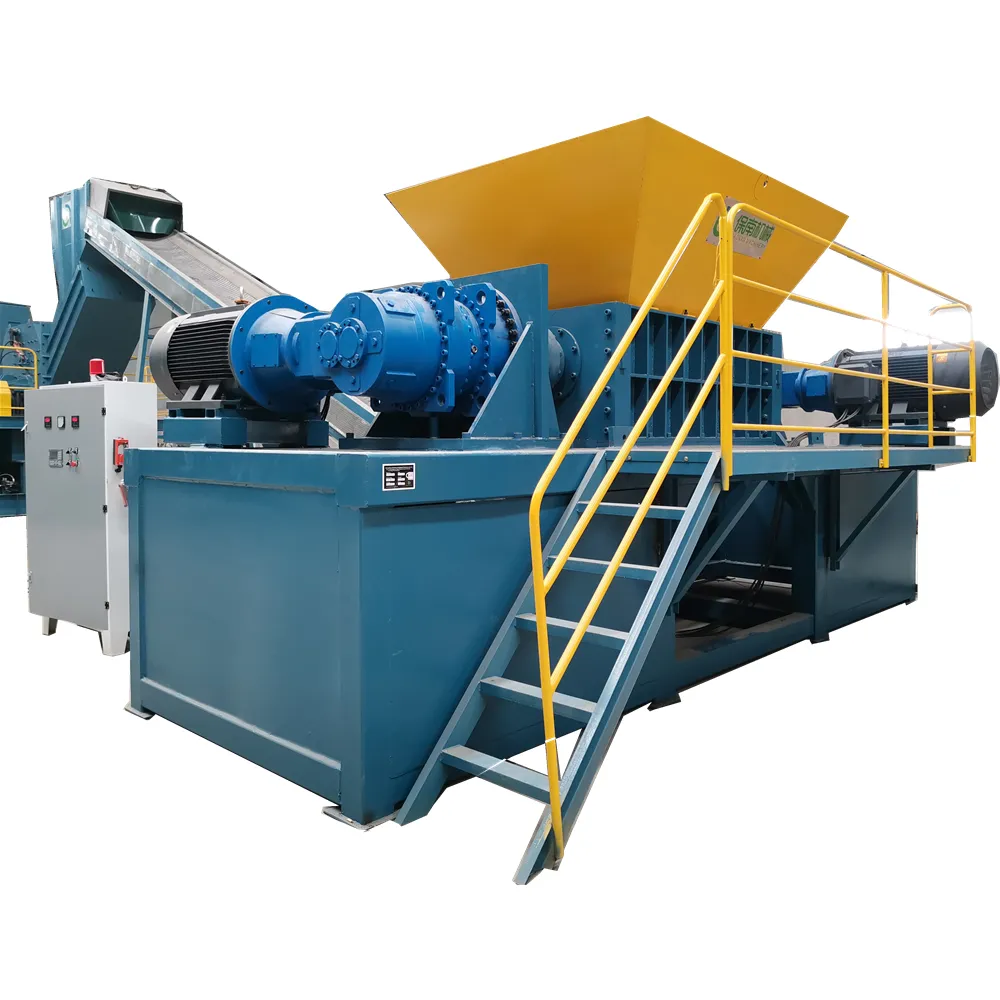
A robust twin shaft shredder machine has proven to be the missing link in the hydraulic hose recycling supply chain. High-pressure hydraulic hoses are the lifelines of industrial machinery, construction equipment, and agricultural fleets. Engineered to withstand extreme fluid pressures, abrasion, and harsh environmental conditions, these hoses are marvels of modern polymer engineering. However, the very characteristics that make them incredibly durable also make them notoriously difficult to process at the end of their lifecycle.

baonanmachine-Metal-Shredder-Aluminum-Can-Block-Crusher-Waste-Bucket-Shredder-For-Sale.jpg

The Anatomy of Hydraulic Hoses and Disposal Challenges

A standard heavy-duty hydraulic hose consists of an inner synthetic rubber tube, multiple layers of braided or spiraled high-tensile steel wire reinforcement, and an outer weather-resistant rubber cover. When these hoses rupture or reach the end of their operational lifespan, their disposal becomes a significant logistical hurdle for maintenance depots and manufacturing plants. Simply landfilling this waste is increasingly penalized by environmental authorities, while traditional incineration is highly inefficient due to the dense metallic core.

The primary challenge in recycling lies in material liberation. The vulcanization process tightly binds the synthetic rubber to the steel wire mesh. Separating these mixed materials requires extraordinary mechanical force and high-torque shearing capabilities to break the bond without excessively dulling the cutting blades.

Innovative Mechanical Separation in Rubber Manufacturing

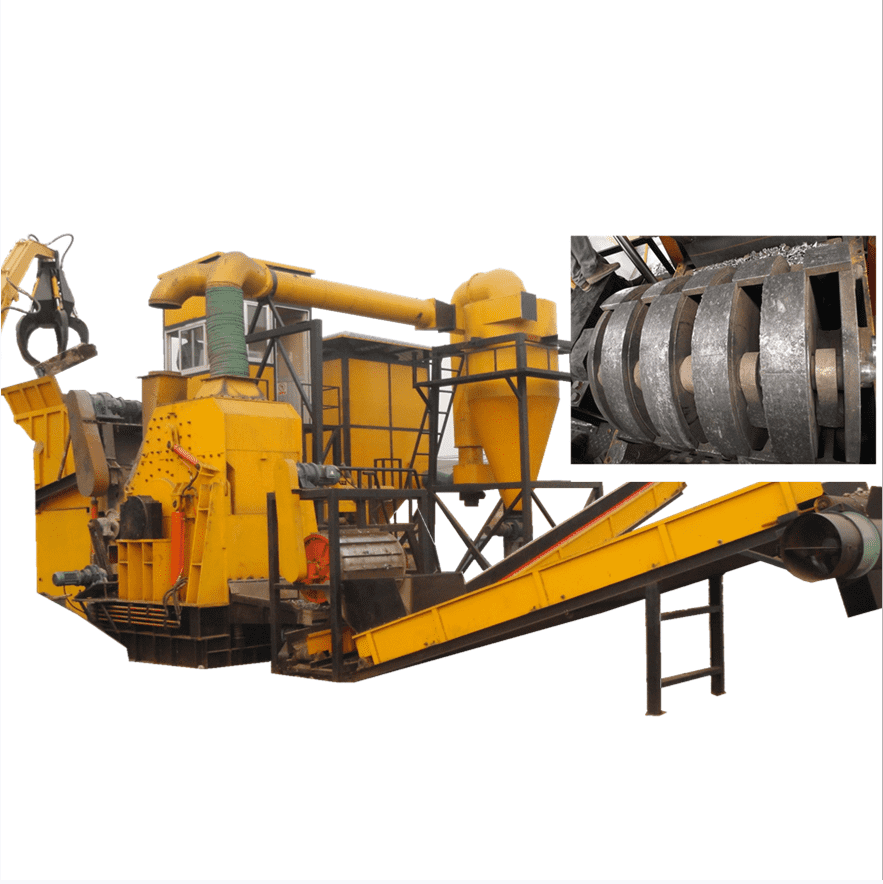
Modern supply chain solutions are addressing this bottleneck through advanced size reduction technology. By implementing slow-speed, high-torque shearing systems, facilities can effectively chop the long, unwieldy hoses into small, uniform pieces. Once the structural integrity of the hose is compromised, powerful magnetic separators can be employed to pull the steel wire fragments away from the granulated rubber.

For operations looking to optimize this material recovery, partnering with a reputable metal shredder manufacturer ensures access to equipment designed with the correct rotor configuration and durable blade metallurgy needed for continuous operation. The recovered steel can be sent to foundries for smelting, while the separated rubber can be milled down into crumb rubber for use in civil engineering applications, asphalt modification, or new molded products, thereby closing the loop on industrial rubber waste.

...

Fluid Containment and Pressure Integrity: Advanced Sealing in Industrial Systems

Implementing a robust mechanical seal for reactor units highlights the critical importance of reliable containment engineering in high-pressure processing environments. In heavy-duty hydraulic and fluid transport systems, preventing media leakage and managing extreme internal pressures requires meticulous material selection and uncompromising component precision.

Material Compounding for Extreme Thermal and Chemical Resistance

The operational lifespan of dynamic and static seals depends on the elastomer's ability to resist chemical degradation, aggressive abrasion, and cyclical fatigue. When configuring systems that utilize various double mechanical seal types, engineers must evaluate fluorocarbon elastomers (Viton), nitrile rubber (NBR), and high-grade silicone for their superior barrier properties and elasticity retention.

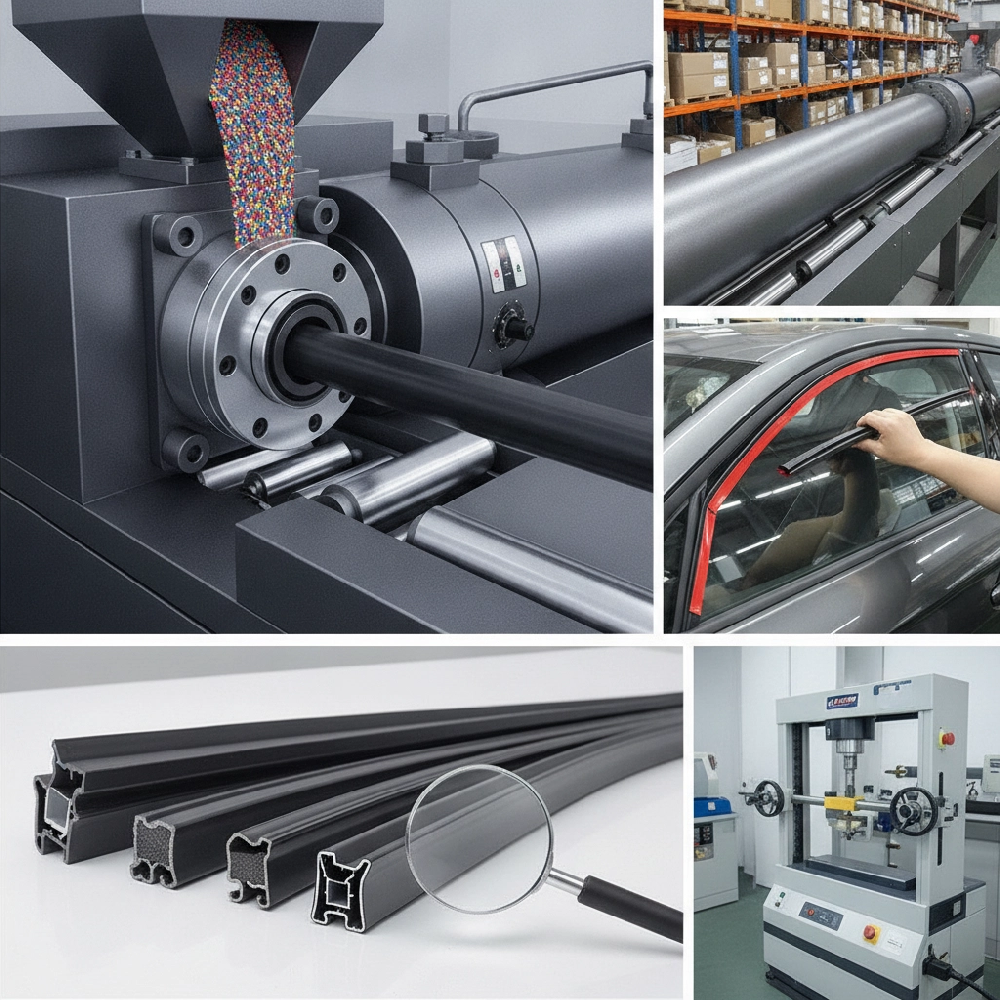
Premium Universal Weather Stripping for Car Windows Guide

Sourcing these vital sealing elements from a high-quality provider ensures that gaskets, oil seals, and custom molded components maintain optimal performance under severe industrial service conditions. Advanced vulcanization technologies and rigorous quality assurance safeguard operational continuity worldwide.

...

Precision Engineering in Fluid Power: Meeting Stringent European Hydraulic Standards

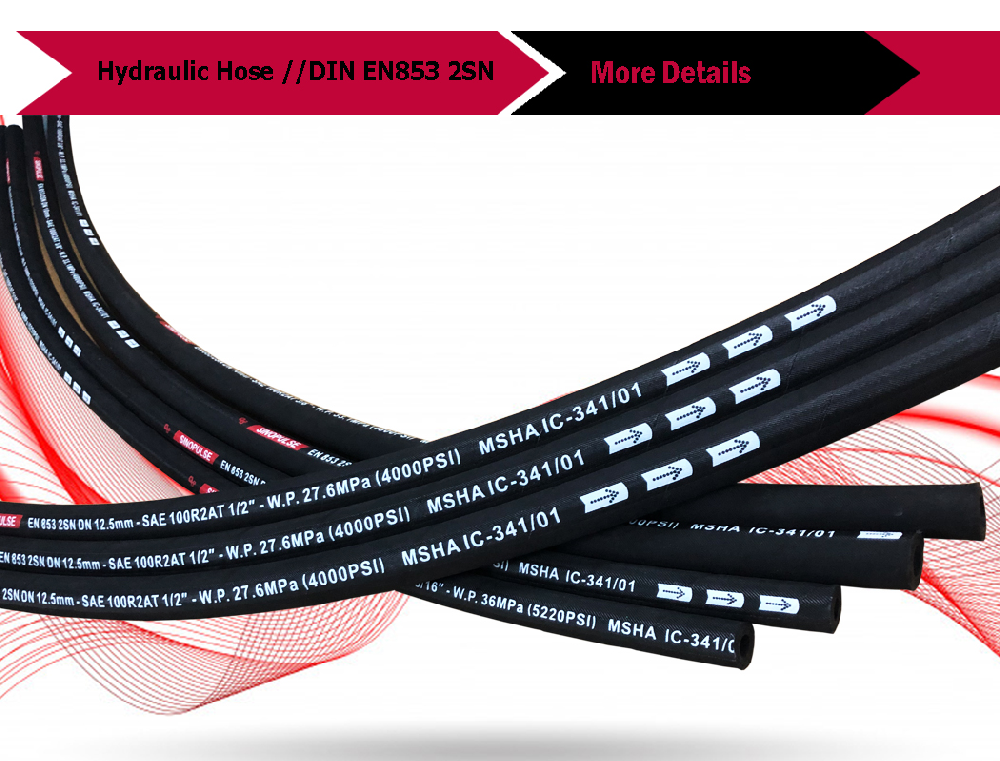
Specifying a certified en853 hose network is essential for ensuring baseline compliance in high-pressure hydraulic circuits. In the realm of heavy-duty fluid power, the structural integrity of a hydraulic conduit dictates the efficiency and safety of the entire machinery system, from earth-moving equipment to precision industrial presses.

Understanding Wire-Braided Reinforcement Dynamics

The core of any high-capacity hydraulic line lies in its reinforcement architecture. Medium-to-high pressure systems rely on single or double layers of high-tensile steel wire braiding. This metallic skeleton prevents the synthetic rubber inner tube from ballooning or bursting under intense hydraulic fluid velocity and pressure spikes.

When engineering a fluid transfer line, the balance between flexibility and pressure resistance is paramount. The braiding angle and wire tension must be mathematically precise; a slight deviation can cause uneven stress distribution, leading to premature fatigue failure when the system experiences rapid impulse cycles or mechanical vibration.

The Role of Advanced Manufacturing Systems

Achieving the exacting tolerances required by international standards (such as SAE, DIN, and EN) cannot be accomplished with outdated production methods. The consistency of the steel wire tension, the uniform extrusion of the rubber layers, and the precise vulcanization process are strictly dependent on the fabrication technology.

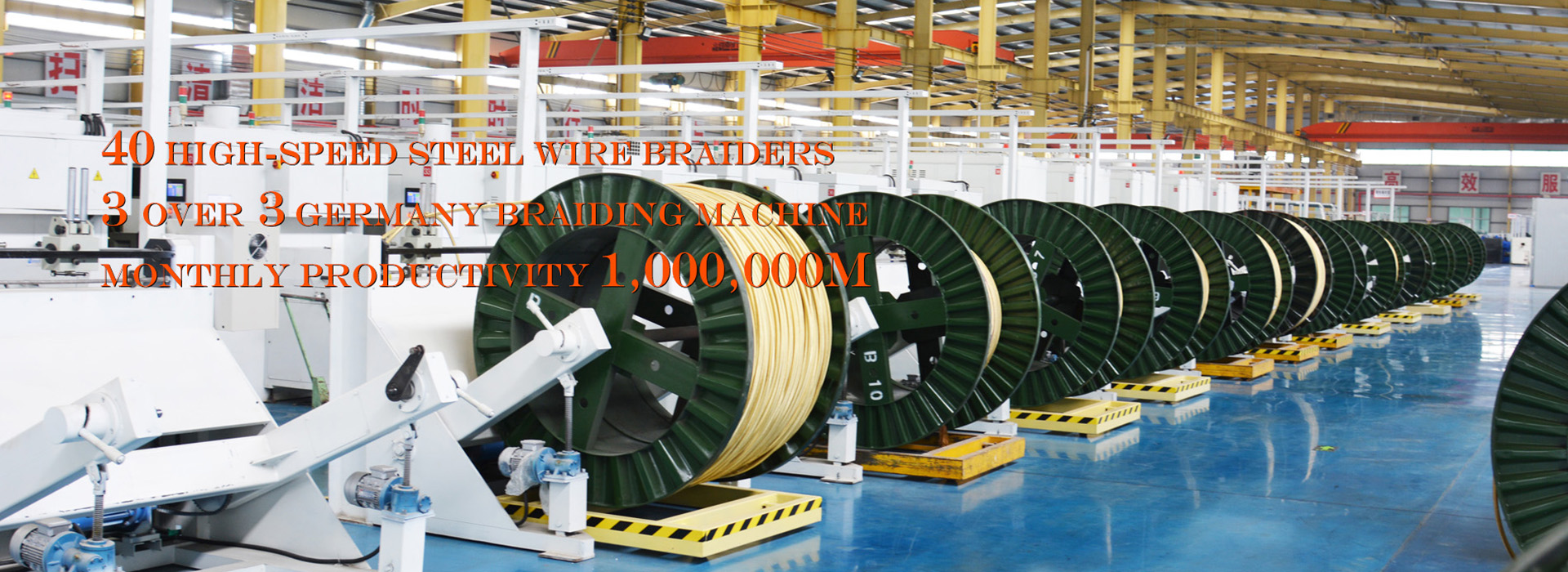
This is why top-tier fluid power networks rely on components produced by automated, state-of-the-art hose machinery. A high-quality provider equipped with advanced weaving, spiraling, and testing equipment can guarantee that every meter of hydraulic line exhibits uniform burst pressure resistance, thereby safeguarding expensive actuators and pumps from systemic contamination and failure.

...

Our Advantages

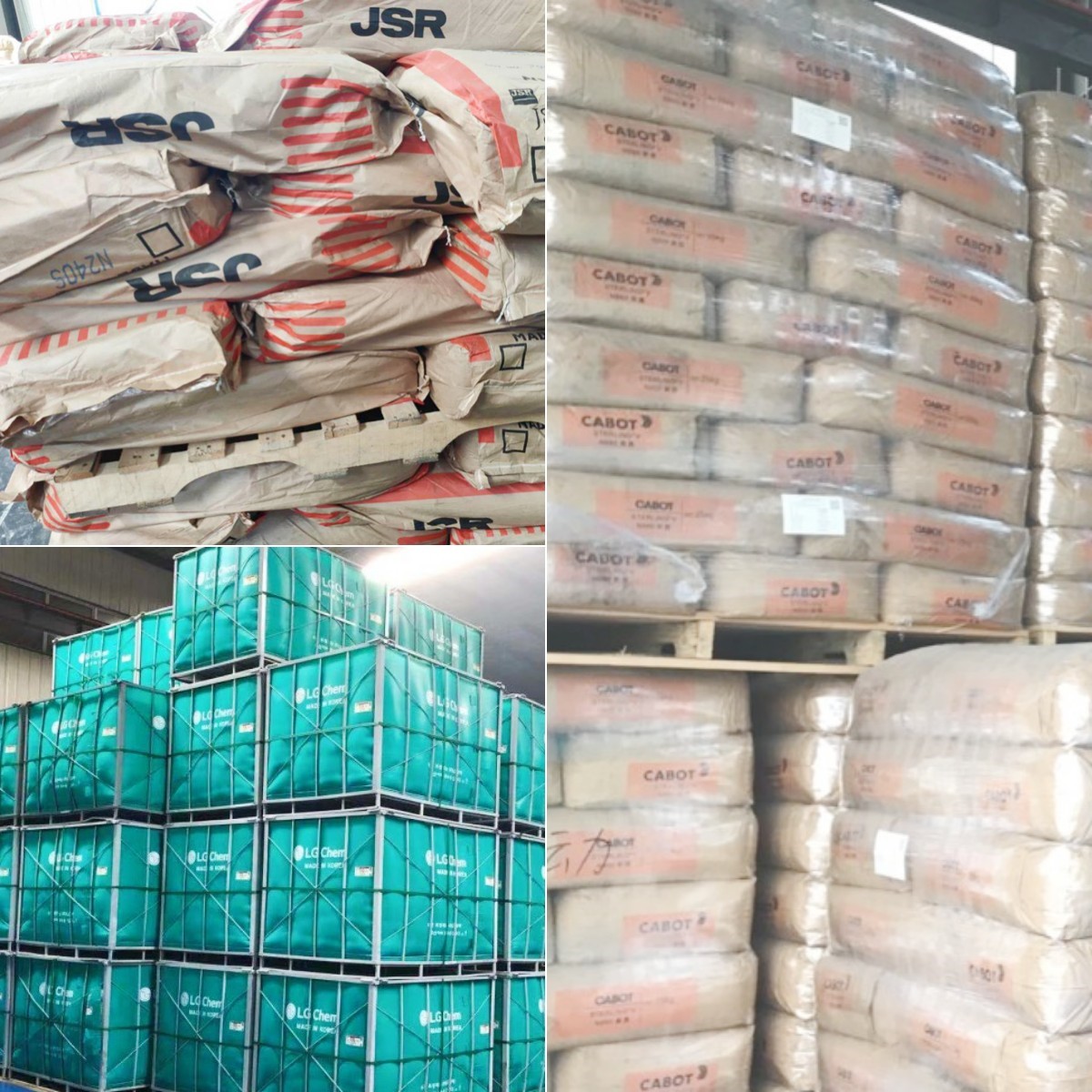
  • Directly imported raw materials from Korea, Japan and USA

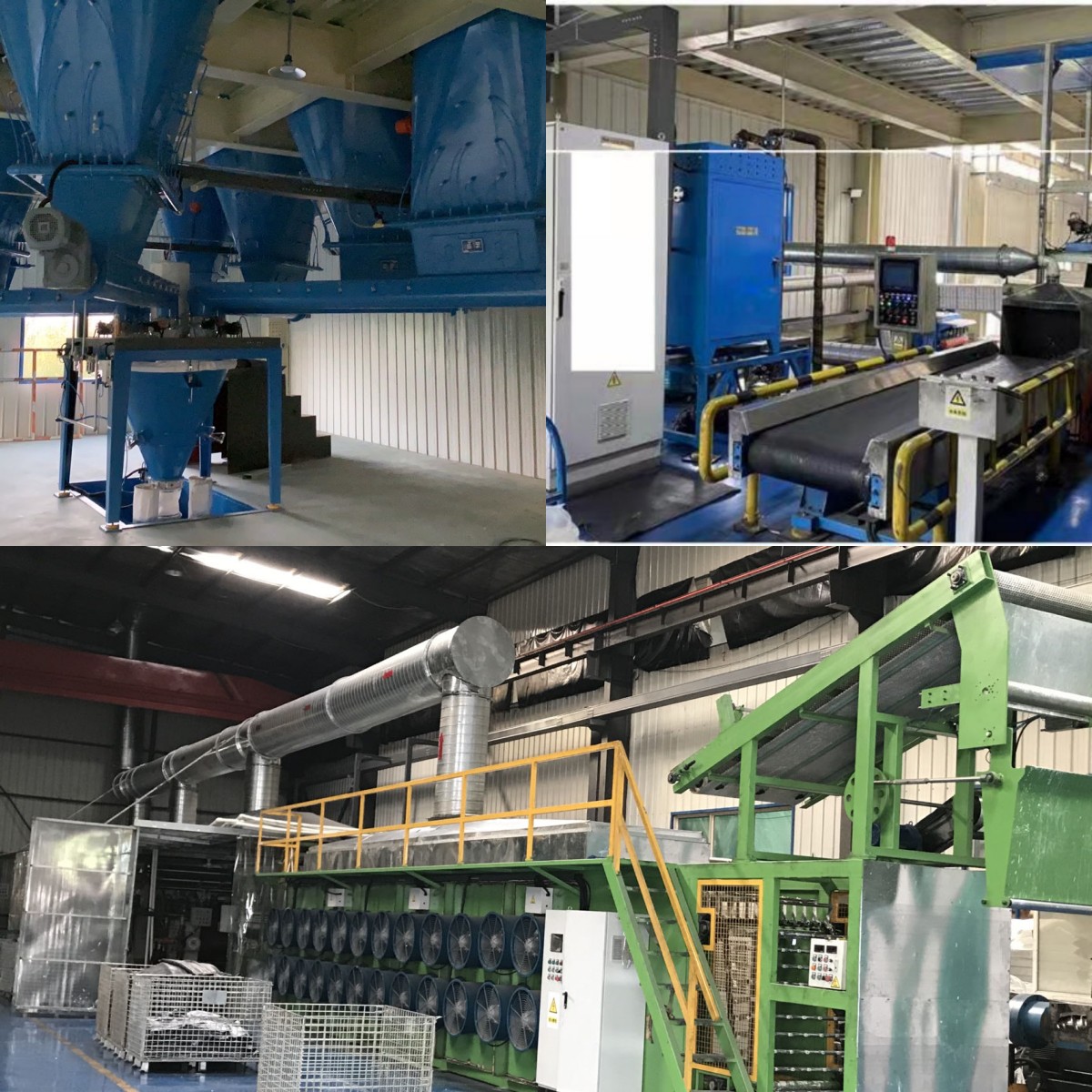
  • Automatic rubber compound production line

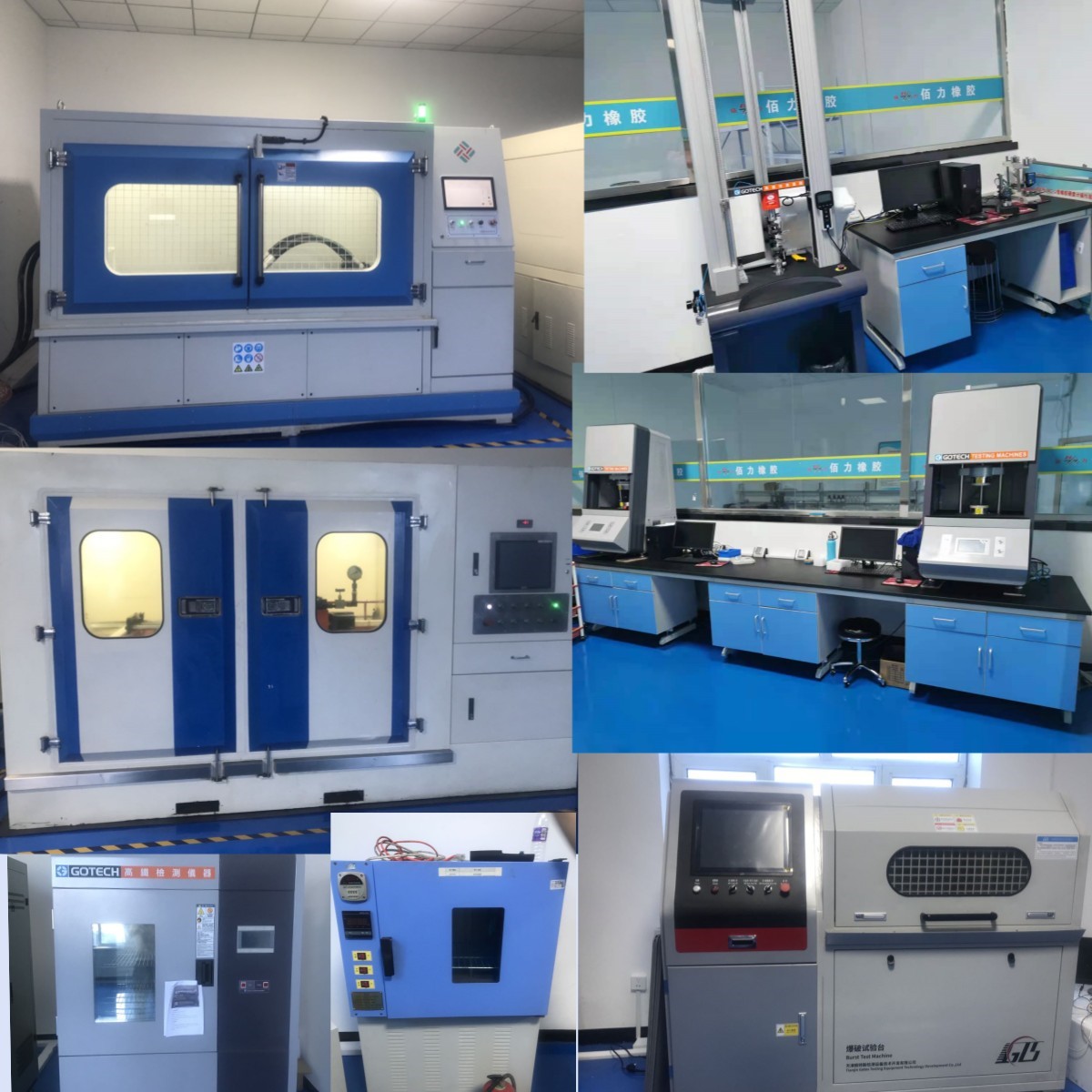
  • Full range tests for rubber sheets and finished hoses, including impulse test (dynamic and static), burst pressure test, ozone aging test, abrasion resistant test, fire resistant test and so on.

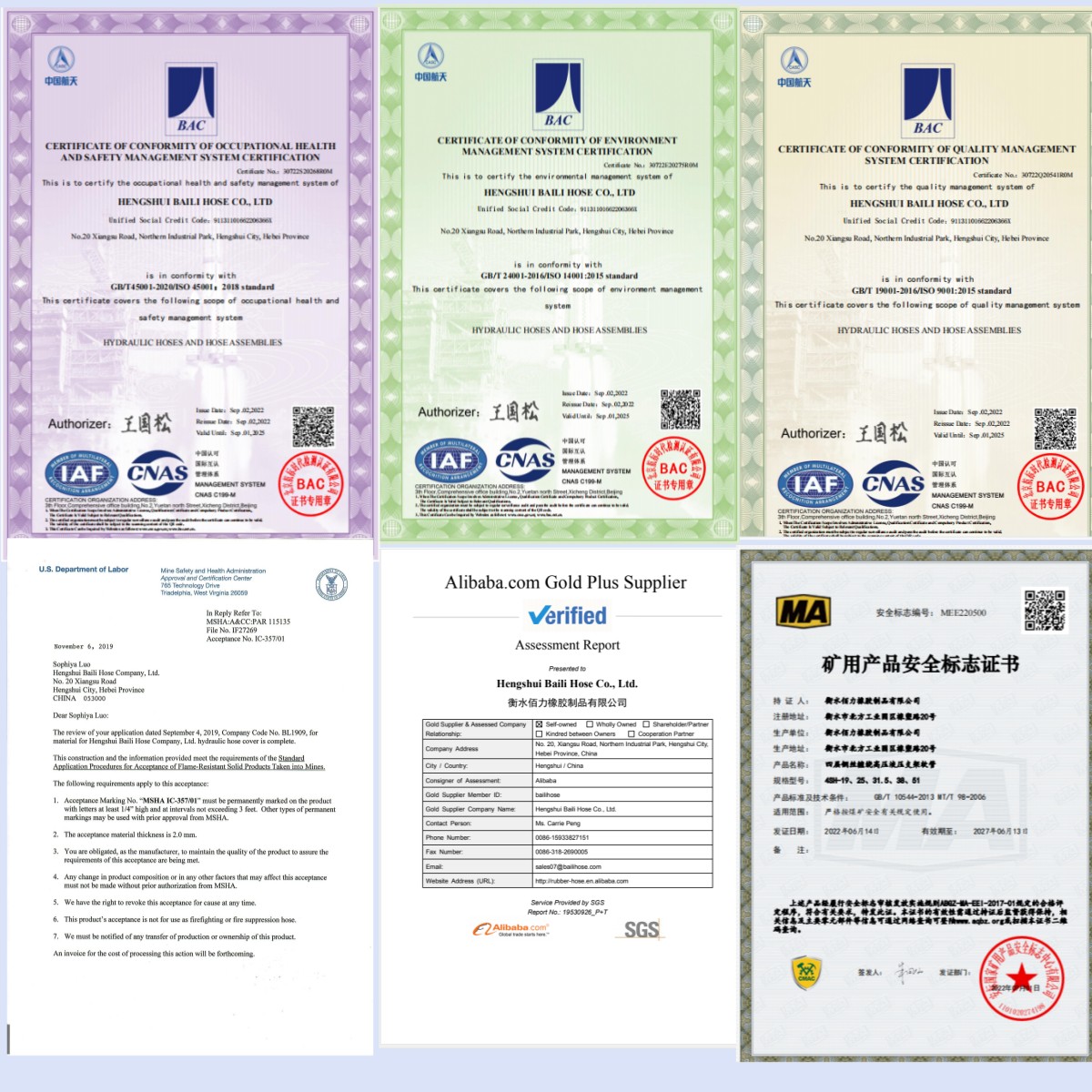
  • Different certificates from BAILI, MSHA certificate, SGS, ISO9001, ISO14001, IS045001, MA...

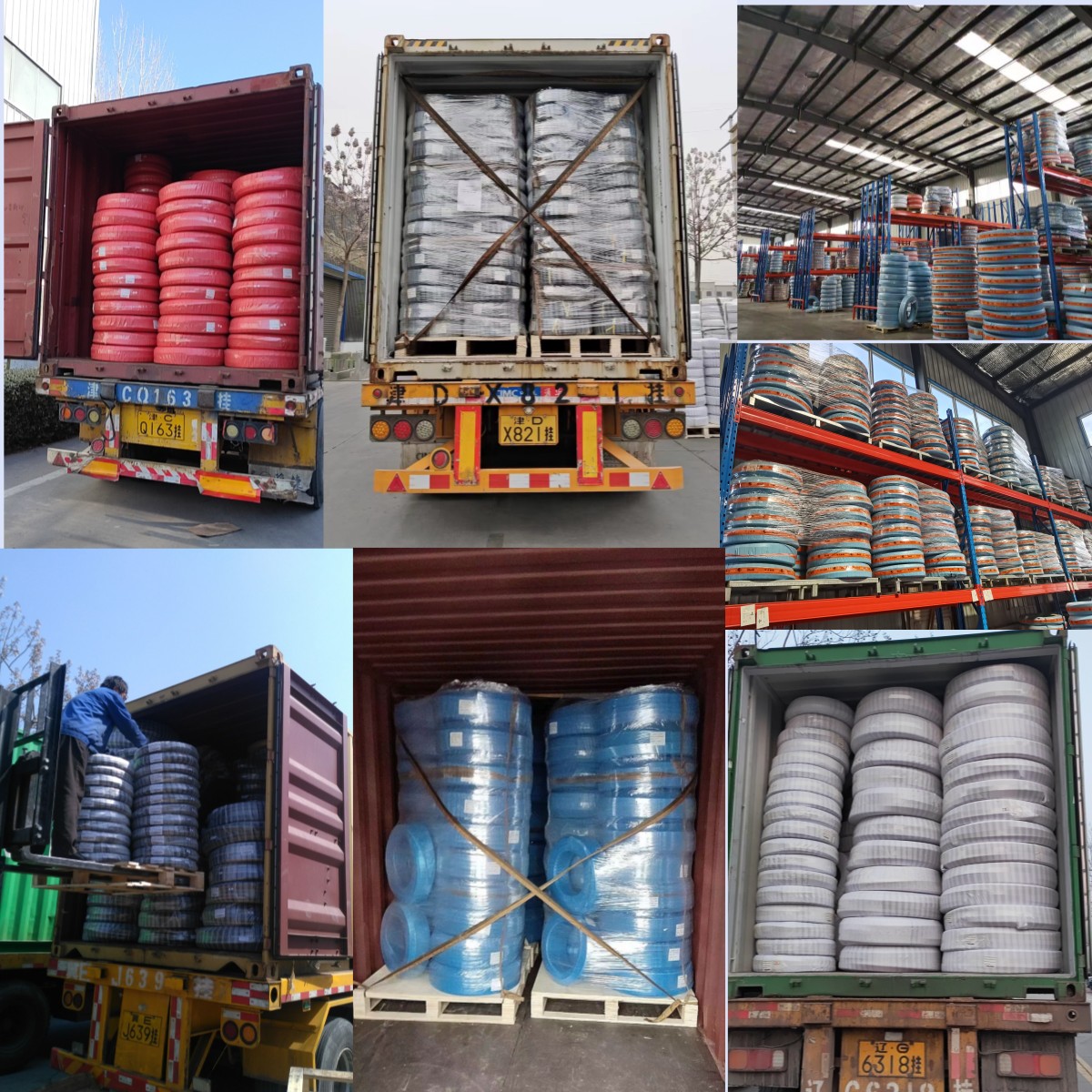
  • Fast and in-time delivery for customers' orders:

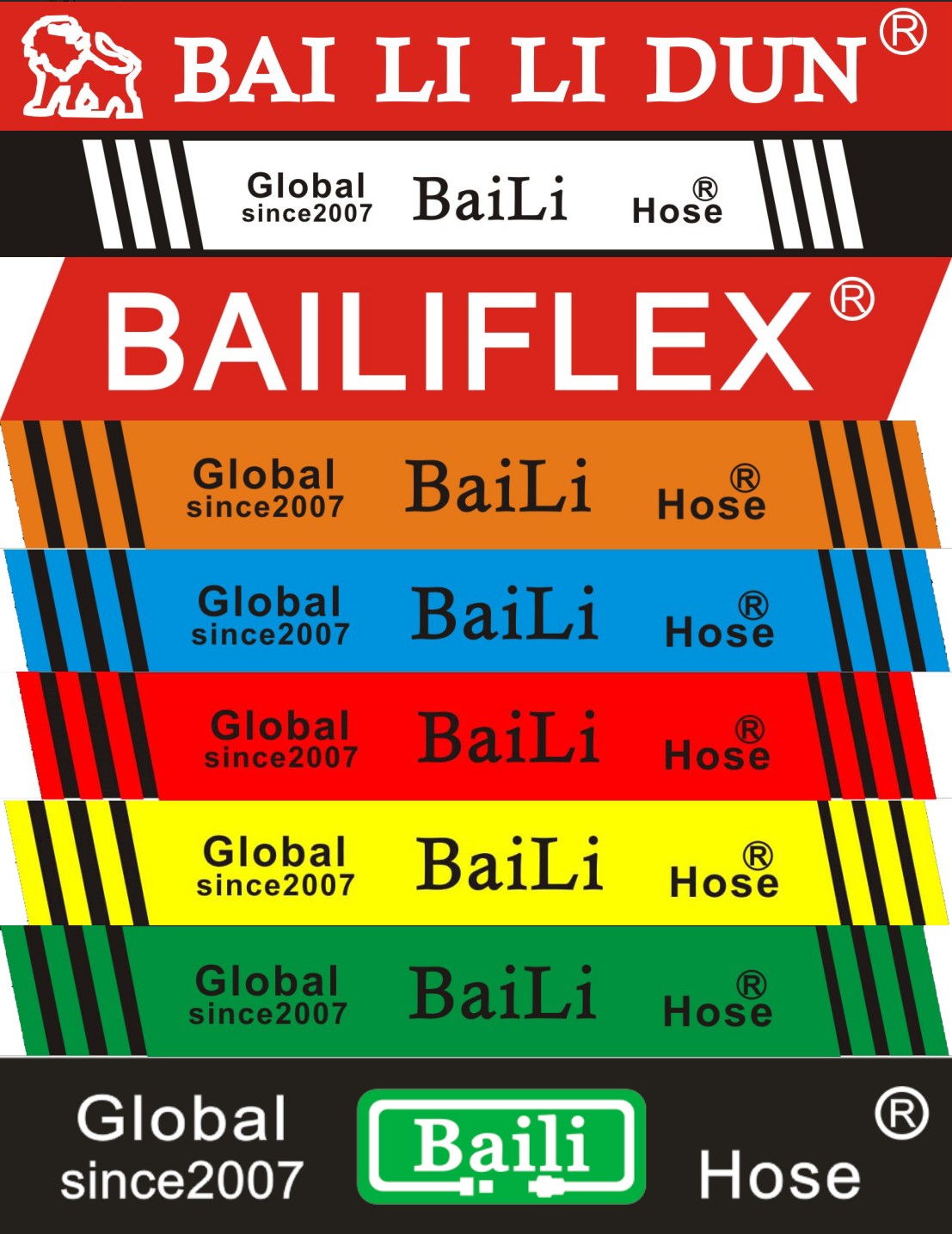
  • Colorful printing of BAILI brands and OEM orders

  • pic01
  • 02
  • 03
  • 04
  • 05
  • 06

If you are interested in our products, you can choose to leave your information here, and we will be in touch with you shortly.