slurry pump selection guide can help reveal a change that product teams sometimes overlook: replacing a pump or revising its operating conditions may alter the pressure, solids, or chemical exposure a connected rubber hose must withstand. For product managers, the challenge is not simply approving a new compound; it is keeping specifications, test evidence, and customer expectations aligned across the product’s full lifecycle.
Reformulation pressure can begin with a restricted ingredient, a supplier discontinuation, a cost target, a sustainability commitment, or field failures under conditions that were not captured in the original specification. Whatever the trigger, a material change can affect more than the property named in the request. A revised elastomer blend may shift flexibility, abrasion resistance, temperature tolerance, adhesion between layers, or curing behavior—and those changes can have consequences for production and service.
Trace the trigger before changing the recipe
A change request is easier to manage when the team distinguishes its root cause from its proposed solution. If a compound is being replaced because an ingredient is no longer available, the objective may be to preserve existing performance. If field evidence shows premature wear, the objective may instead be to improve durability in a specific service environment. Those are different engineering problems, even if both arrive as a request to “update the formulation.”
Start by documenting the conditions the hose is expected to handle: working and surge pressure, temperature range, conveyed material, exposure time, bend radius, installation layout, and cleaning or flushing practices. For abrasive slurry service, particle size and concentration can matter alongside flow conditions. A hose used near a high pressure slurry pump, for example, should be assessed as part of the connected system rather than against a pressure figure in isolation. The operating envelope should reflect actual use, not just the nominal rating of one component.
Expect connected properties to move together
Rubber compounds are engineered balances. Adjusting one ingredient or its proportion may influence several characteristics at once, and performance can vary between a laboratory specimen and a finished hose with reinforcement, liners, and bonded interfaces. Teams should therefore identify the critical-to-quality properties before selecting tests. Depending on the application, these may include tensile behavior, hardness, elongation, abrasion resistance, aging performance, fluid compatibility, and adhesion between layers.
The same principle applies to the manufacturing process. A revised compound may cure differently or require adjustments to mixing, extrusion, or vulcanization parameters. That can affect consistency, throughput, scrap, and inspection criteria. A successful bench result does not by itself establish that the production line can repeatedly make a hose that meets the intended specification.
Build a controlled transition, not a single approval gate
A practical transition plan separates evaluation into stages, with clear evidence required at each one:
- Define the change: Record the trigger, affected products, reason for reformulation, and performance requirements that must remain unchanged or improve.
- Screen the material: Compare relevant compound properties and check compatibility with conveyed media, operating temperatures, and expected exposure duration.
- Validate the finished hose: Test representative assemblies and, where needed, assess pressure performance, aging, wear, flexibility, and layer adhesion under relevant conditions.
- Confirm production repeatability: Run a controlled production trial and check that process settings, inspection methods, and acceptance limits are appropriate for the revised material.
- Manage release and traceability: Set effective dates, identify affected batches, update records, and communicate any installation or maintenance implications to customers.
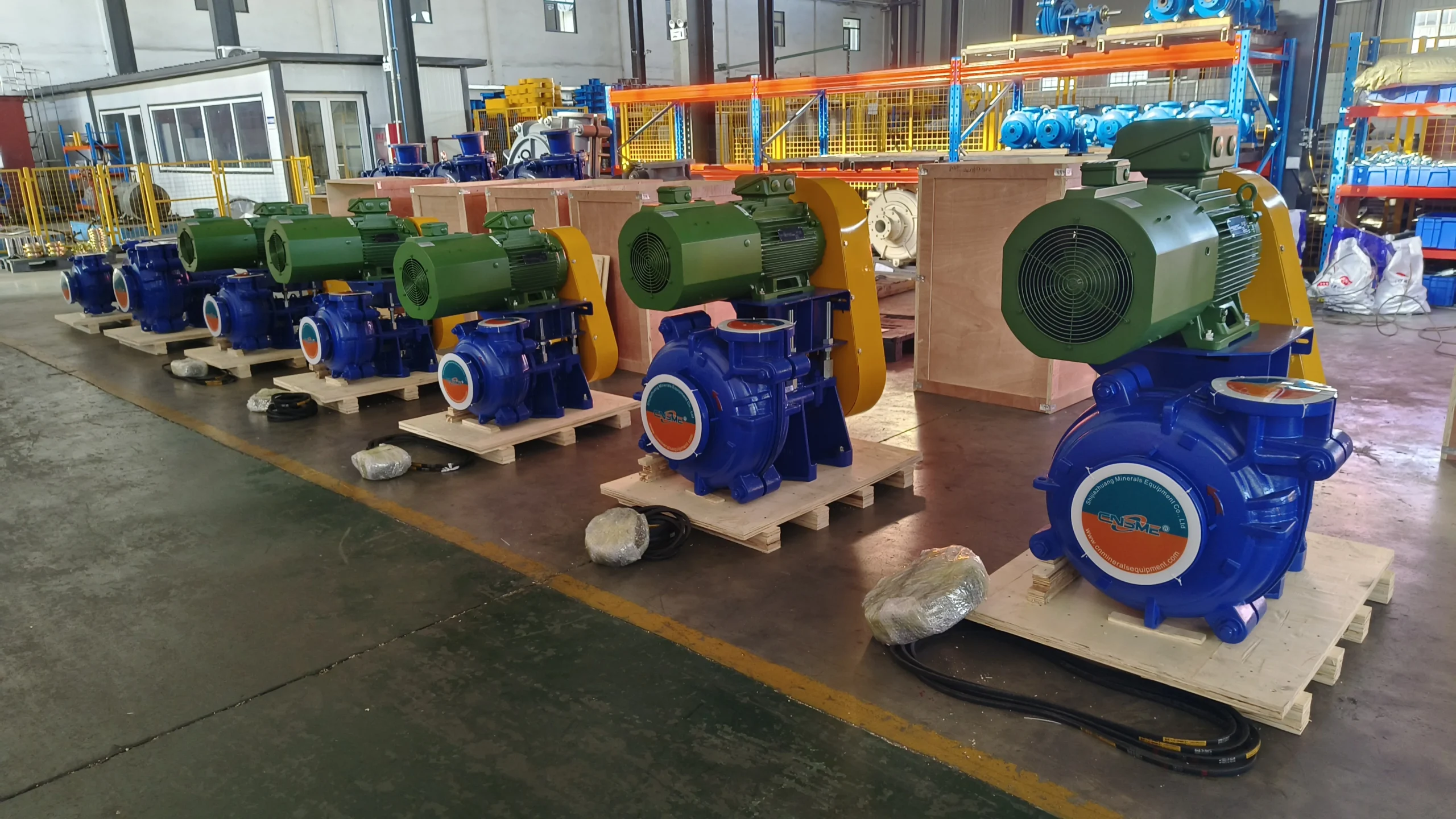
Where the hose operates within a larger material-handling system, involve adjacent equipment and service teams early. Pump manufacturers such as CNSME work in applications where abrasive slurry, operating pressure, and maintenance conditions influence equipment selection and performance. That makes system-level conversations useful when a hose change could alter operating limits or maintenance intervals. The purpose is not to transfer responsibility between component suppliers, but to make assumptions visible before a revised product reaches the field.
Keep specification, evidence, and communication synchronized
One common transition risk is allowing documents to drift apart. A material specification may be updated while drawings, quality plans, product labels, or service guidance still describe the previous version. Maintain a change record that links the revised formulation to its validation results, approved production settings, affected part numbers, and release date. If the change alters a declared property or intended use, review customer-facing claims and technical documents before shipment.
Teams should also decide what happens to inventory made under the former specification. Depending on the nature of the change and applicable requirements, the options may include a defined run-out period, segregated stock, additional inspection, or a stop-ship decision. Making this decision during planning is generally more orderly than discovering mixed versions during a customer complaint or audit.
Treat reformulation as a lifecycle decision
A material substitution is complete only when the revised product can be manufactured consistently, supported with suitable evidence, and understood by the people who specify, install, and maintain it. The strongest change-control process does not assume that a familiar product remains unchanged because its name or part number has stayed the same. It preserves the reasoning behind the specification—and gives teams a clear way to respond when that reasoning must be revisited.