PTFE Lined Steel Pipe can be part of the same fluid-handling network as a hydraulic hose, but choosing reliable hose requires looking beyond a single pressure figure. System performance also depends on fluid compatibility, temperature, movement, fittings, installation, and maintenance.
A hose assembly is a flexible component within a larger system. It absorbs motion and vibration, connects equipment that may not remain perfectly aligned, and carries fluid through changing operating conditions. Treating it as a simple length of tubing can obscure the factors that determine its service life.
Pressure is only one part of the specification
Working pressure is an essential starting point, but it does not describe every load a hose will experience. Hydraulic circuits can generate short pressure surges when valves shift, actuators stop, or machinery changes direction. These pressure impulses may occur repeatedly, placing different demands on a hose than steady operation at a constant pressure.
A sound selection process considers the system’s maximum operating pressure, expected surge conditions, and the pressure ratings of the complete assembly—including the hose, couplings, and connection points. The weakest compatible component can set the practical limit for the whole line. Manufacturer specifications and applicable standards should guide selection rather than assumptions based on appearance or outside diameter.
Match the hose construction to the fluid and environment
Hydraulic hoses typically combine an inner tube, reinforcement layers, and an outer cover. Each layer has a distinct role, and materials that perform well with one fluid or environment may not be suitable for another. Fluid type, additives, operating temperature, and exposure to oils, cleaning agents, sunlight, abrasion, or weather all matter.
Compatibility should be checked against the hose manufacturer’s data. Temperature deserves particular attention because heat can affect both the fluid and hose materials; cold conditions can also reduce flexibility. Where a system transitions between flexible hose and rigid pipe, the materials and connection design should be assessed as part of the full circuit. A PU Lined Pipe, for example, serves a different role from a hydraulic hose, even when both are considered in the design of a fluid-handling installation.
Routing and bend radius shape service life
A correctly specified hose can still fail prematurely if it is installed under strain. Tight bends, twisting, tension, or rubbing against nearby machinery can stress reinforcement and accelerate wear. Designers and installers should follow the stated minimum bend radius and allow for movement during the full range of machine operation—not only when equipment is stationary.
Routing should also reduce exposure to sharp edges, hot surfaces, and repeated impact. Clamps and guards can help when they are selected and positioned appropriately, but restraints should not prevent the hose from moving as intended. At connection points, proper alignment helps prevent torque from being transferred into the assembly.
Cleanliness and assembly quality matter
Contamination can damage hydraulic components and compromise system performance. Dirt introduced during cutting, storage, or assembly may travel through the circuit, while particles generated by wear can continue circulating. Keeping hose ends protected before installation and following established cleanliness procedures helps limit avoidable contamination.
Assembly methods must also match the hose and fitting design. Components that look similar are not necessarily interchangeable, and incorrect fitting selection or assembly can create leakage or separation risks. Trained personnel should follow the relevant manufacturer instructions, use suitable equipment, and verify the completed assembly before it enters service.
Inspection turns small warning signs into useful data
Regular inspection can identify visible changes such as cuts, abrasion, blistering, cracking, leaks, corrosion at fittings, or deformation. These signs should be assessed promptly, with the equipment isolated and depressurized according to site procedures before anyone handles a suspect assembly. A damaged hose should not be treated as safe simply because it has not yet failed.
Maintenance teams can improve decisions by recording installation dates, operating conditions, inspection findings, and failure locations. Repeated damage in the same area may point to a routing or guarding issue rather than a product defect. Likewise, failures concentrated around fittings may warrant a review of assembly practices, vibration, or alignment.
A supply-chain view of dependable components
Consistent quality depends on more than the final product. Material control, process checks, technical documentation, and clear communication between designers, manufacturers, distributors, and maintenance teams all contribute to dependable fluid systems. Manufacturers working across metal, rubber, and plastic products illustrate why coordination among different material disciplines is relevant to modern industrial supply chains.
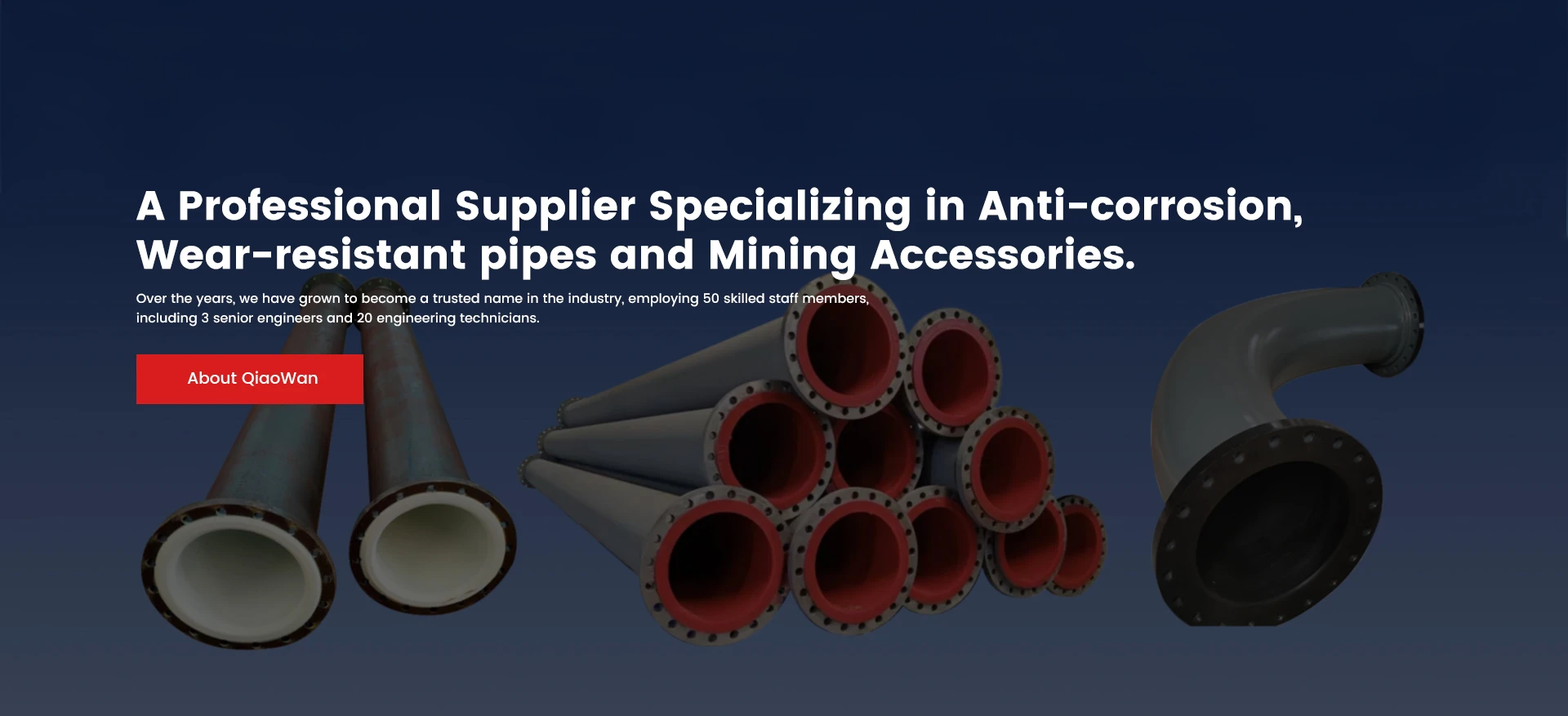
Hebei Qiao Wan Metal Products Co., Ltd., established in 2008, is one example of a manufacturer with experience in metal, rubber, and plastic products. Its workforce includes 50 skilled staff members, including senior engineers and engineering technicians. In the wider industry, technical expertise of this kind supports the careful specification and production practices required for components used in demanding environments.
Hydraulic hose reliability is ultimately a system-level outcome. Matching materials to service conditions, accounting for pressure impulses, routing assemblies correctly, maintaining cleanliness, and inspecting them consistently can help reduce avoidable failures. Pressure ratings remain important—but dependable performance comes from considering the complete operating picture.