A robust twin shaft shredder machine has proven to be the missing link in the hydraulic hose recycling supply chain. High-pressure hydraulic hoses are the lifelines of industrial machinery, construction equipment, and agricultural fleets. Engineered to withstand extreme fluid pressures, abrasion, and harsh environmental conditions, these hoses are marvels of modern polymer engineering. However, the very characteristics that make them incredibly durable also make them notoriously difficult to process at the end of their lifecycle.
The Anatomy of Hydraulic Hoses and Disposal Challenges
A standard heavy-duty hydraulic hose consists of an inner synthetic rubber tube, multiple layers of braided or spiraled high-tensile steel wire reinforcement, and an outer weather-resistant rubber cover. When these hoses rupture or reach the end of their operational lifespan, their disposal becomes a significant logistical hurdle for maintenance depots and manufacturing plants. Simply landfilling this waste is increasingly penalized by environmental authorities, while traditional incineration is highly inefficient due to the dense metallic core.
The primary challenge in recycling lies in material liberation. The vulcanization process tightly binds the synthetic rubber to the steel wire mesh. Separating these mixed materials requires extraordinary mechanical force and high-torque shearing capabilities to break the bond without excessively dulling the cutting blades.
Innovative Mechanical Separation in Rubber Manufacturing
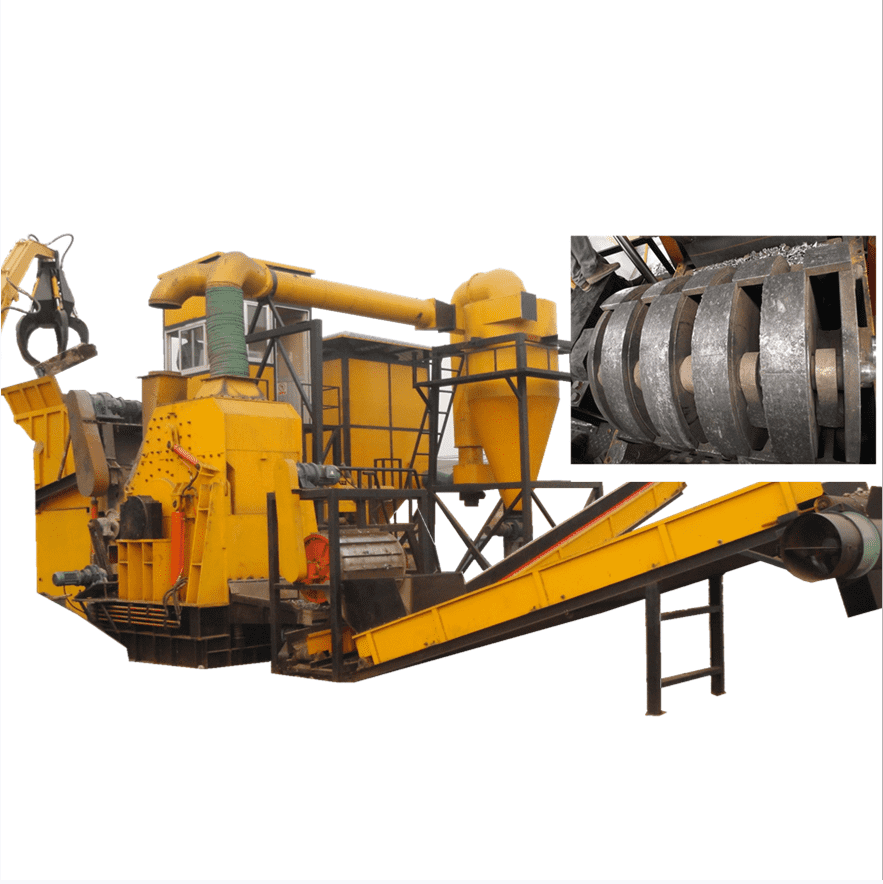
Modern supply chain solutions are addressing this bottleneck through advanced size reduction technology. By implementing slow-speed, high-torque shearing systems, facilities can effectively chop the long, unwieldy hoses into small, uniform pieces. Once the structural integrity of the hose is compromised, powerful magnetic separators can be employed to pull the steel wire fragments away from the granulated rubber.
For operations looking to optimize this material recovery, partnering with a reputable metal shredder manufacturer ensures access to equipment designed with the correct rotor configuration and durable blade metallurgy needed for continuous operation. The recovered steel can be sent to foundries for smelting, while the separated rubber can be milled down into crumb rubber for use in civil engineering applications, asphalt modification, or new molded products, thereby closing the loop on industrial rubber waste.