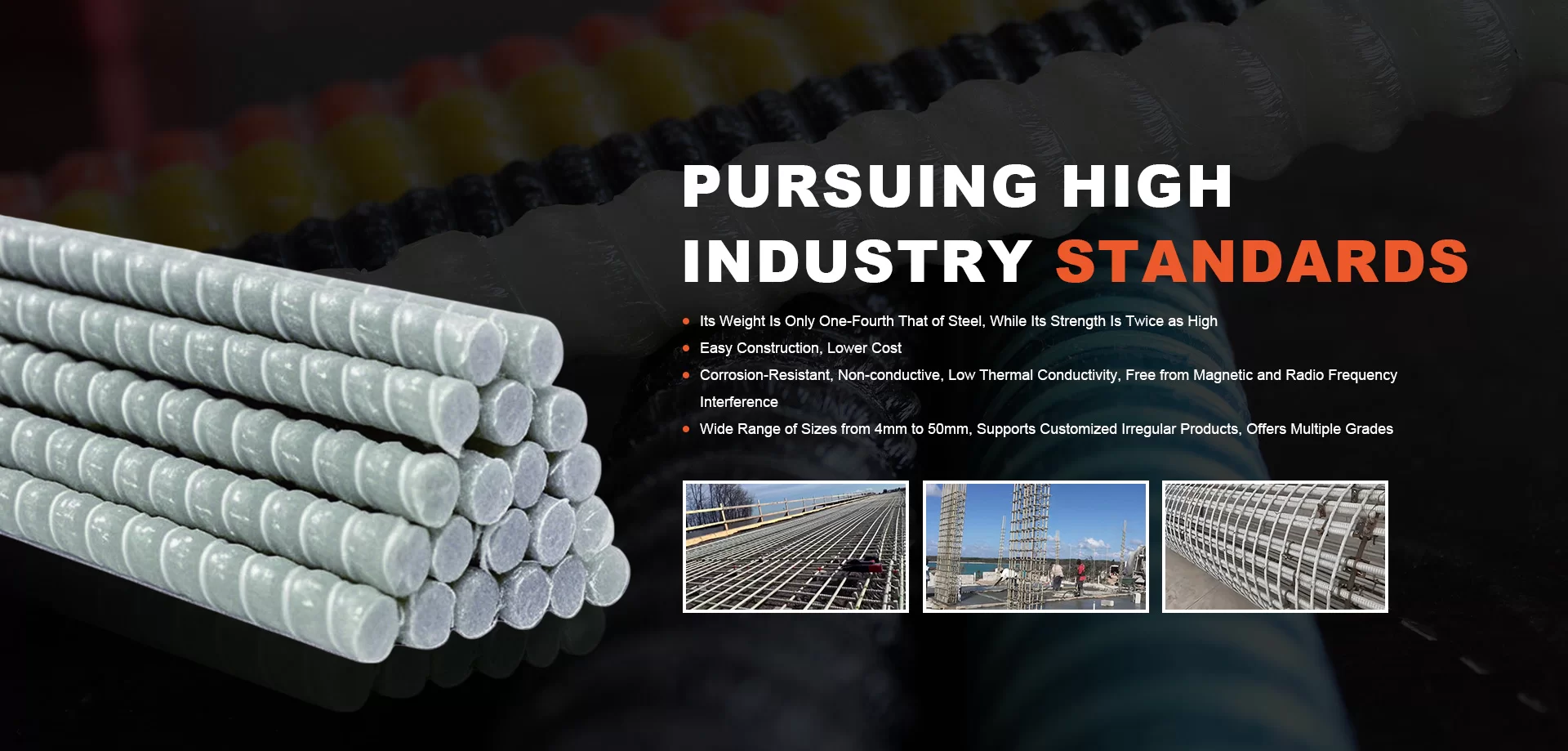
Fiberglass Extruded Profiles have emerged as a key reinforcement element in the production of high-performance rubber hoses. As industries demand greater durability, pressure resistance, and chemical compatibility, hose manufacturers are turning to advanced composite solutions that integrate seamlessly with traditional elastomeric materials.
The synergy between rubber and fiberglass composites allows hoses to withstand extreme temperatures, corrosive fluids, and mechanical stress without compromising flexibility. This hybrid approach is especially valuable in sectors such as oil & gas, chemical processing, wastewater management, and industrial automation.
Why Hoses Need Composite Reinforcement
Rubber hoses, while excellent for fluid transfer, face limitations under high pressure, abrasive media, or exposure to aggressive chemicals. Over time, repeated flexing and thermal cycling can lead to cracking, delamination, or burst failures. Composite materials—especially fiberglass-based profiles—offer a lightweight, high‑strength solution that distributes stress evenly and prevents localized failure.
By embedding Fiberglass Extruded Profiles within the hose wall or using them as external armor, engineers achieve a 300% increase in burst pressure while reducing overall weight by up to 40%. This design also improves resistance to kinking and extends service life in demanding environments.
Key Applications in Fluid Handling
1. High-Pressure Hydraulic Systems
In hydraulic circuits, hose assemblies must contain fluid pressures exceeding 5000 psi. Fiberglass‑reinforced hoses provide the necessary stiffness without sacrificing bend radius. The composite layer also dampens vibration, reducing noise in hydraulic pumps and valves.
2. Chemical Transfer and Tanker Operations
When transporting acids, solvents, or caustic solutions, rubber hoses must resist chemical swelling and permeation. Adding a fiberglass reinforcement layer creates a barrier that minimizes migration of aggressive molecules, preserving hose integrity. This is also why Fiberglass Septic Tank designs employ similar corrosion‑resistant principles—both applications demand long‑term durability against harsh chemicals.
3. Offshore and Marine Environments
Saltwater, UV exposure, and biofouling can degrade conventional rubber hoses quickly. Composite‑reinforced hoses with fiberglass profiles resist hydrolysis and UV degradation, making them ideal for offshore oil transfer, desalination plants, and marine fire‑fighting systems.
Material Science Behind the Integration
The success of fiberglass‑rubber hybrids lies in the interface between the two materials. Specialized coupling agents and e‑glass surface treatments ensure strong adhesion without delamination. The extruded profiles are precisely oriented to handle hoop stress from internal pressure, while the rubber matrix provides flexibility and sealing.
Manufacturers use pultruded fiberglass rods or tapes that are helically wound into the hose structure. This process, derived from composite pipe manufacturing, yields a uniform reinforcement layer that can be tuned for specific pressure ratings and flexibility needs.
Quality and Certification Standards
Industry bodies such as SAE, ISO, and API have established rigorous testing protocols for reinforced hoses. Leading composite suppliers maintain ISO 9001‑certified facilities and conduct continuous monitoring of raw material properties. For extreme applications, hoses may also meet specific fire‑resistance or low‑temperature standards, ensuring reliable performance across global markets.
Future Directions: Smarter, Lighter, Greener
The trend toward eco‑friendly manufacturing is driving interest in recyclable fiberglass composites and bio‑based rubber compounds. New profiles with built‑in sensors can provide real‑time data on hose wear and pressure loads, reducing maintenance costs. Meanwhile, the same composite technology used in structural components—like Fiberglass Septic Tank systems—is being adapted for large‑diameter flexible hoses in municipal water and waste networks.
As research continues, we can expect fiberglass extruded profiles to become a standard ingredient in hose design, much like steel wire reinforcement is today. The combination of strength, corrosion resistance, and design flexibility makes composites an indispensable partner for the rubber hose industry.
This article is provided for informational purposes and reflects industry trends observed in advanced materials engineering.